
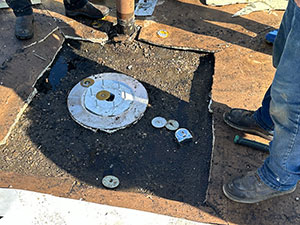
A commercial roof protects the people, inventory and equipment inside your building, so a leak or damaged section deserves timely evaluation. Not every defect is an emergency, though. Some need attention the same day, while others can be scheduled and repaired properly. Knowing the difference helps you control costs without leaving a vulnerable roof exposed.
If you manage a building in Ann Arbor, Michigan, Incore Restoration Group provides commercial roof repairs for flat and low-slope roofs. This guide explains which problems call for fast action, what to document safely before a contractor arrives, and what a sound repair scope should include. For a repair conversation, call 866-685-0009.
Which Commercial Roof Problems Need Repair First?
Severity depends on whether water is entering the building, whether the damage is spreading, and whether the roof deck or insulation may already be wet. The table below is a preliminary way to sort what you are seeing. It is a guide for planning, not a diagnosis, because only a close look at the roof can confirm the cause.
| Priority | What you may see | Typical response |
|---|---|---|
| Urgent | Active dripping, water near electrical or inventory, a torn or lifted membrane section, a missing section of flashing after wind | Temporary protection and repair as soon as conditions allow |
| Soon | Recurring ceiling stains, open seams, cracked or split flashing, punctures near rooftop equipment | Schedule a repair before the next heavy rain or freeze-thaw stretch |
| Monitor and plan | Limited surface wear or isolated blisters without reported leaks | Document from a safe location and arrange a professional inspection to establish whether repairs are required |
Sagging ceilings, a bowed deck or professional reports of soft roof areas are different. Those can point to saturated insulation or a structural concern, so keep people away from the area and have a professional evaluate it before anyone goes on the roof.
Common Commercial Roof Defects and How They Are Repaired
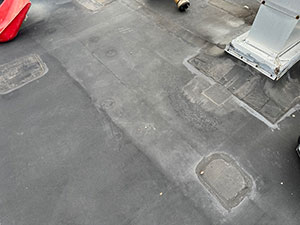
Leaks and moisture intrusion. Water often shows up inside the building some distance from where it enters the roof, because it travels along the deck, insulation or a fastener line. A good repair traces the entry point rather than patching the stain’s location. Heavy rain and melting snow expose weak spots in seams, penetrations and edges.
Ponding water. Flat and low-slope roofs can hold water in low areas, which adds weight and speeds up wear on the membrane. Repair may involve clearing clogged drains or scuppers, correcting a low spot, or repairing membrane damaged by standing water. Persistent ponding may call for a broader fix than a patch.
Membrane damage. Single-ply roofs such as EPDM, TPO and PVC can tear, puncture or crack after long exposure to sun, foot traffic and temperature swings. Repairs use a patch or seam treatment designed for that membrane type, because materials are not interchangeable. A patch that is not compatible with the existing membrane can fail at the edges.
Flashing failures. Flashing seals the roof where it meets walls, vents, skylights and HVAC curbs. Aging sealant, poor installation or building movement can open gaps, and these joints are a frequent source of leaks. Repair usually means removing failed sealant, resecuring or replacing the flashing, and resealing the termination.
Wind and hail damage. Debris, hail and strong wind can lift edges, puncture membranes or loosen flashing. After a storm, check the interior for new stains and have the roof looked over even if nothing is visible from the ground, since small punctures are easy to miss.
What to Document Before Calling a Roofer
Clear records help a contractor find the source faster and give you a useful history of the building. You can gather most of it without ever climbing onto the roof, which is the safer choice on a commercial building.
- Photograph interior stains, wet ceiling tiles or damp walls, with a date and the room or bay noted.
- Write down when it happened, such as during rain, after snowmelt or in high wind.
- Note which equipment, inventory or work areas are close to the affected spot.
- Keep any past repair records, roof drawings or maintenance notes you have on file.
- Move valuable items and cover what you cannot move, and use containers to catch drips where it is safe.
Avoid ladders, roof edges and roof access while damage is suspected. Ground-level or interior photos and location notes are enough to start the conversation.
Questions to Ask About a Commercial Roof Repair Scope
A repair estimate should explain what failed, why, and how it will be fixed. These questions make a proposal easier to compare.
- What caused the leak, and is the repair addressing the cause or only the symptom?
- Which materials will be used, and are they compatible with my existing membrane?
- Is there trapped moisture in the insulation that needs to be addressed?
- Which areas are included in the repair, and are other weak spots noted for later?
- What temporary protection is provided if weather prevents a full repair right away?
- How will work be scheduled around my business hours and access needs?
Repair, Coating or Replacement?
A localized compatible repair may be appropriate when the surrounding roof assembly remains serviceable. When wear is widespread but the roof is still dry underneath, a restorative option may be worth evaluating, and our roof coating page explains how that works. When repeated leaks, saturated insulation or widespread failure show up, a flat roof replacement may be more practical than another patch. A professional roof inspection shows which path fits the building before you commit to either one.
Ann Arbor Weather and Repair Timing
Ann Arbor roofs deal with freeze-thaw cycles, snow loads and summer storms. Water that enters a small crack in winter can freeze, expand and widen the opening, so an unrepaired opening may deteriorate through repeated weather cycles. Scheduling repairs before winter, and checking the roof again after the thaw, reduces the chance of surprise leaks during the busiest part of the year.
Commercial Roof Repairs From Incore Restoration Group
Incore Restoration Group has been in business for more than 17 years and offers 24/7 emergency response for urgent roof problems. If your building has an active leak or visible damage, call 866-685-0009 and describe what you are seeing. We will help you decide what needs attention first and what can be planned.
Frequently Asked Questions
How often should a commercial roof be inspected?
Twice a year is a common recommendation, once in spring and once in fall. Inspect after severe storms too, since damage from wind or hail is not always visible from the ground.
Can a small leak wait until it is convenient to fix?
It depends on the source and the weather. A slow leak that is contained and monitored may be scheduled, but active dripping, wet insulation or leaks near equipment should be addressed promptly, because concealed moisture may spread.
Will roof repairs interrupt my business?
Many repairs can be completed with limited disruption, and work can often be planned around business hours. Larger repairs or areas above sensitive spaces may need more coordination, so discuss access and timing up front.
Does the weather in Ann Arbor really make that much difference?
Yes. Freeze-thaw cycles, snow loads and summer storms stress seams, flashing and drainage, so timely repairs and seasonal checks are especially useful for managing local exposure.