
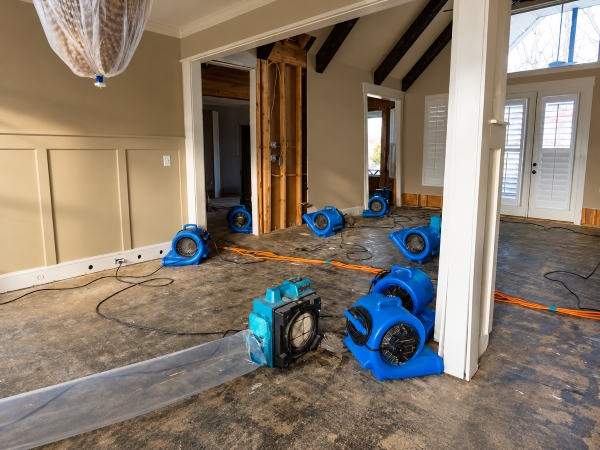
When water gets into a Livonia, Michigan home or business, the first phone call helps establish what happens next and what information the restoration company needs. A burst pipe, failed sump pump, or storm leak can create time pressure, so it helps to know what questions to ask and what information should appear in a written scope. Incore Restoration Group provides water damage restoration for residential and commercial properties, and this guide lists the questions worth asking any company you are considering.
What to Ask on the First Call
A first call should clarify how the company will respond and what the initial scope may include. Useful questions include where the technicians are coming from, what response timing is actually available for your loss, which services are performed directly, which may involve other trades, and what you should or should not do before the crew arrives. The caller should also receive clear safety guidance about what to leave alone. For example, it is usually safest to stay out of standing water near outlets and panels, and to wait for guidance before moving large amounts of wet material. If answers are vague, ask for clarification before authorizing work.
Why the Type of Water Matters
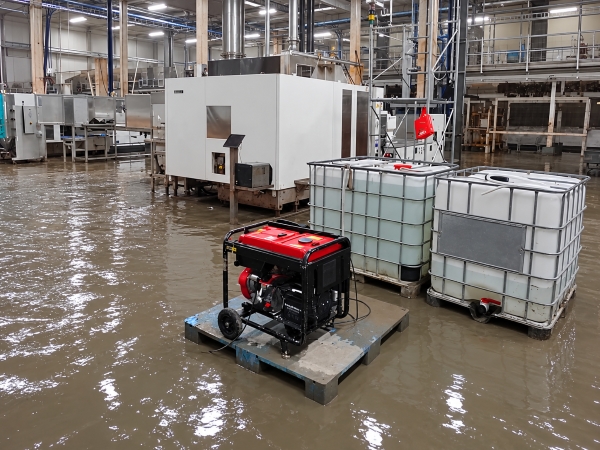
Not all water damage is handled the same way, and the restoration company should ask where the water came from and what it contacted. Water from a supply line presents different concerns from water associated with sewage, outside flooding, or other contamination. The source and contamination conditions can affect safety procedures, cleaning requirements, and whether materials are candidates for drying, cleaning, removal, or further evaluation. Conditions can also worsen as water remains in contact with building materials, so elapsed time is relevant to the assessment. When you describe the situation, mention the source, how long the area has been wet and which rooms or floors are affected.
What an Assessment Should Include
Before the drying plan is finalized, the company should inspect the affected area and use appropriate moisture evaluation rather than relying only on what is visible. Water can move into concealed spaces such as wall cavities, under flooring, or above ceilings, so visible surface condition alone may not show the full extent of moisture. A useful assessment identifies the likely source, documents affected areas, and records material conditions that influence the drying or removal scope. Photos and written notes taken at this stage give you a record of the starting condition. Our page on water damage restoration in Livonia describes the process in more detail.
What the Written Scope Should Cover
Ask for a written scope or work authorization before the main restoration work proceeds, and read it for specifics. A useful scope typically explains the following:
- Which rooms and materials are included, and which are expected to be removed.
- How water will be extracted and how the structure will be dried.
- How moisture will be checked during drying, and how often.
- Which restoration tasks are included and which repairs or follow-on trades are handled separately.
- What documentation you will receive when the work is finished.
Scopes can change when walls or floors are opened and hidden damage is found, so ask how changes are communicated and approved. That process should be explained before changed conditions create additional work.
Drying Should Be Checked, Not Assumed
Equipment running in a room does not by itself confirm that drying goals are being met. A restoration company should monitor moisture conditions, compare progress with appropriate reference materials or drying criteria, and adjust the drying plan when readings are not progressing as expected. Ask how drying goals are established, how progress is documented, and what final records will be provided. Unresolved moisture can contribute to odor, material deterioration, and mold growth. Because microbial growth can begin under favorable damp conditions within a relatively short period, prompt assessment and monitored drying are important without relying on a single universal hour or day threshold.
Comparing Estimates Fairly
Two estimates for the same loss can look very different when they describe different work. Before comparing prices, compare what each one includes: extraction, equipment, monitoring, removal of damaged materials, cleaning and repairs. A lower total may reflect a narrower scope, while a higher total may include work the other estimate excludes or prices separately. If an estimate is unclear, ask for the inclusions, exclusions, quantities, and change process to be explained in writing. A competitor’s pricing or promises are not a reliable benchmark, so judge each company on what it commits to in writing. For a closer look at how Incore approaches repair work, see our water damage repair page for Livonia.
Insurance and Documentation
Many property owners also have an insurance conversation after water damage. Follow the notice requirements in your policy and keep photos, receipts, and written records that may be relevant to the claim. A restoration company can provide documentation of observed conditions and work performed, but the insurer and policy terms determine coverage. Restoration documentation is not a guarantee of payment or claim outcome.
Credentials and Availability
Ask which training or certifications apply to the technicians assigned to the work and how those credentials can be verified. Incore Restoration Group has served Southeast Michigan since 2009, and its staff hold IICRC certifications in water restoration and applied structural drying. The company is a member of Contractor Connection and lists 24-hour emergency response. If a Livonia property has water damage, call Incore Restoration Group at (866) 685-0009 to arrange an assessment.
Frequently Asked Questions
What should I do before the restoration crew arrives?
Stay out of standing water near electrical sources, identify the apparent water source only if it can be done safely, and document visible damage from a safe area. Follow the restoration company’s safety instructions before moving wet materials.
Should I get more than one estimate?
When the situation allows, comparing more than one estimate can help. Compare inclusions, exclusions, quantities, monitoring, removal, and repair scope rather than only the total price.
How will I know the structure is actually dry?
Ask how moisture conditions are monitored during drying, what criteria are used to determine completion, and what documentation will be provided. Appearance alone should not be the only basis for ending drying.
Does the restoration company handle repairs too?
It depends on the company and the project. Ask which restoration tasks are included, which repairs are separate, and whether another trade will be responsible for reconstruction or finish work.