
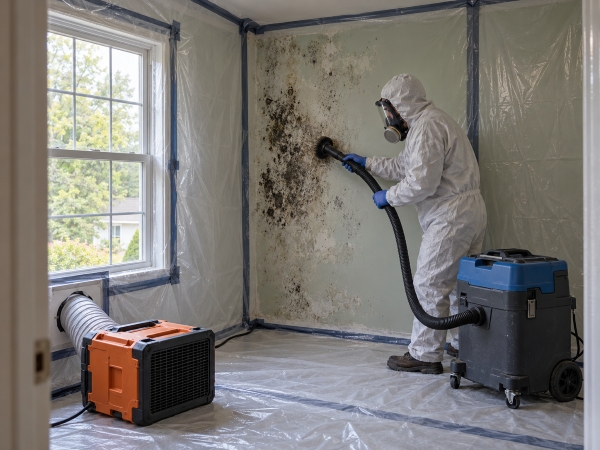
Choosing a mold remediation company in Canton, MI should start with the work plan, not the sales pitch. Incore Restoration Group provides mold remediation for residential and commercial properties in Southeast Michigan, and a useful proposal should explain how the company will identify affected areas, control the work zone, address the moisture condition, handle damaged materials, and document completion.
Property owners should also understand what is outside the remediation scope. Plumbing repairs, roof leaks, environmental testing, or other specialty work may need separate providers. A strong remediation company should explain those boundaries clearly so moisture control, containment, cleaning, removal, and follow-up are coordinated instead of treated as unrelated tasks.
Start With the Moisture Source
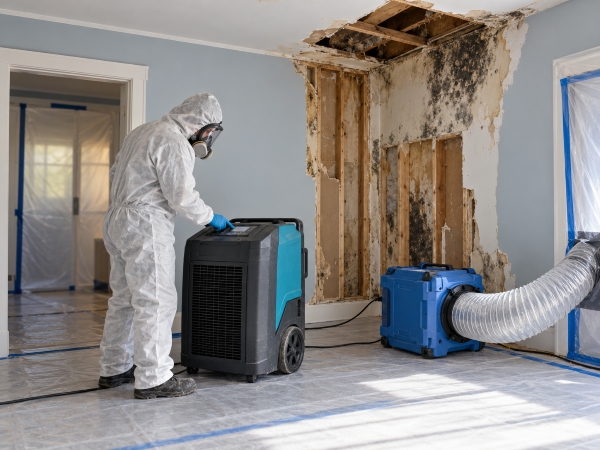
Mold growth is connected to moisture, so a remediation plan that only describes surface cleaning is incomplete. The company should identify the likely moisture source or explain what additional investigation is needed before the work is finalized.
Possible sources can include plumbing leaks, roof or window leaks, condensation, high indoor humidity, or materials that remained wet after earlier water damage. If the source falls outside the remediation company’s scope, the proposal should explain what must be corrected and when that work needs to happen relative to remediation.
Incore’s mold remediation service information provides broader context for its restoration work.
Ask How the Work Area Will Be Contained
Containment is used to separate the affected work area from cleaner parts of the building while materials are disturbed and removed. The exact setup depends on the size, location, and conditions of the project.
When comparing providers, ask how the work zone will be isolated, how workers and removed materials will move through the property, and how air movement will be managed during the project. The answer should describe a clear plan rather than rely on vague language about “spraying” or “treating” the area.
Understand What Will Be Cleaned and What May Be Removed
Different materials respond differently to mold contamination and moisture. Some hard, cleanable surfaces may be candidates for cleaning, while porous or damaged materials may require removal depending on condition and the remediation scope.
A useful estimate should distinguish between materials expected to remain, materials expected to be cleaned, and materials that may need removal once the work area is opened. The contractor should also explain what conditions could change the scope after work begins.
No provider should promise an exact salvage outcome before the affected materials have been evaluated. The goal is to return the space to an appropriate post-remediation condition, not to claim that every material can be saved or that all naturally occurring mold spores can be eliminated from the environment.
Testing and Remediation Are Not the Same Service
Property owners often ask whether mold testing is required. Testing is separate from remediation, and the need for it depends on the situation, project goals, and any requirements that apply to the property.
If testing or independent verification is important to you, confirm who provides it, whether it is included in the quoted scope, and how results will be used. Some owners choose an independent inspector or testing provider so the person evaluating results is separate from the remediation contractor.
Incore’s mold remediation process in Canton explains the service sequence in more detail. A company-selection conversation should focus on whether the proposed scope clearly addresses those steps rather than repeating the process page.
Ask What Documentation You Will Receive
A written scope helps the owner compare proposals and understand what the remediation company is actually responsible for. Useful documentation may identify the work area, materials to be addressed, containment approach, moisture-related concerns, work completed, and any conditions requiring follow-up.
Photographs or other records may also be included depending on the agreed scope. Ask what will be documented before work starts instead of assuming every contractor provides the same report package.
Review Training and Credentials
Mold remediation requires trained technicians and a defined work process. Incore Restoration Group has served Southeast Michigan since 2009 and is listed as IICRC certified in applied microbial remediation, water restoration, and applied structural drying. The company is also a Contractor Connection member.
When comparing any provider, ask for current credentials relevant to the work being proposed. Credentials should support the scope, but they do not replace a clear site-specific plan.
Look for Clear Communication About Scope Boundaries
A good remediation company should be able to explain what it will do, what it will not do, and which conditions could require another trade. For example, the remediation contractor may identify that a plumbing leak, roof defect, or other moisture source needs correction without being the company that performs that repair.
That distinction protects the project from gaps. If one provider assumes another provider is handling the source, the building can remain vulnerable to recurring moisture even after remediation work is complete.
Be Careful With Guarantees About Recurrence
A remediation company can address current affected materials and help identify the moisture conditions connected to the problem, but no company can guarantee that mold will never return under all future conditions.
New leaks, humidity, condensation, flooding, or other moisture events can create new growth. A more useful question is whether the current moisture source has been addressed and whether the completed scope includes clear follow-up instructions.
Insurance Does Not Replace Scope Review
If mold is connected to a water loss or other event, keep your insurer informed and preserve photos, estimates, and work records. The policy and insurer determine coverage, exclusions, and documentation requirements.
A remediation contractor can document the condition and work performed, but it should not promise a particular insurance outcome. Compare the restoration scope on its own merits even when an insurance claim is involved.
Questions to Ask Before Hiring a Mold Remediation Company
- What moisture source has been identified, and what remains uncertain?
- How will the affected work area be contained?
- Which materials are expected to be cleaned, removed, or reevaluated after opening the area?
- What work is outside the remediation company’s scope?
- Is testing or independent verification recommended, and who provides it?
- What credentials are relevant to the proposed work?
- What documentation will be provided before and after the project?
- What conditions could change the scope or price after work begins?
- What follow-up is recommended after remediation is complete?
Mold Remediation Company in Canton, MI
Incore Restoration Group serves Canton, Michigan and provides mold remediation for homes and commercial buildings. Its mold removal service page for Canton provides related information about recognizing and addressing a mold problem.
Property owners can call Incore Restoration Group at (866) 685-0009 to discuss the property, the moisture condition, and what a remediation assessment should cover.
Frequently Asked Questions
How do I compare mold remediation companies?
Compare the written scope, moisture-source plan, containment approach, material decisions, credentials, documentation, and any services that are excluded or handled by another provider.
Should the remediation company also perform mold testing?
Not necessarily. Testing is a separate service, and some owners prefer independent testing or verification. Confirm who provides it and whether it is part of the quoted scope.
Can a remediation company guarantee mold will never return?
No. Remediation can address current affected materials and moisture conditions, but future leaks, humidity, or other moisture events can create new growth.
Is the lowest estimate always the best option?
No. Compare whether each estimate covers the same containment, moisture, material-removal, cleaning, documentation, and follow-up responsibilities before comparing price alone.