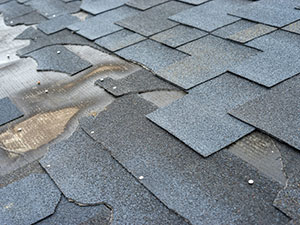
Storm Damage Roofers Westland, MI

When severe weather strikes Westland, MI, commercial building owners often face more than visible roof damage, they must also navigate the insurance claims process. This is where professional storm damage roofers play a crucial role. Beyond making repairs, experienced roofers carefully document storm-related damage in a way that insurance adjusters require. Proper documentation can significantly affect claim approval, scope of coverage, and the speed of recovery. If your commercial property has been impacted by a storm, contacting Incore Restoration Group at (866) 685-0009 can help ensure your roof damage is properly evaluated and recorded.

What Storm Damage Roofers Document for Insurance Adjusters

Documentation Matters After Storm Damage

Insurance companies rely on detailed, verifiable evidence to confirm that roof damage was caused by a specific storm event. Commercial roofs are complex systems, and storm-related issues, such as wind uplift, hail impact, or water intrusion, are not always immediately obvious.

Storm damage roofers understand how adjusters evaluate claims. Their documentation helps establish:

  • Cause of damage (wind, hail, debris, or driving rain)
  • Extent of damage across the entire roofing system
  • Urgency of repairs to prevent further loss
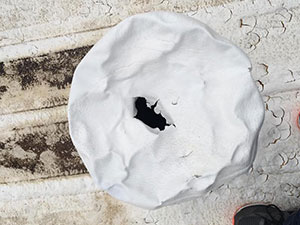
Without thorough documentation, claims may be delayed, reduced, or even denied, leaving building owners responsible for costly repairs.

Documentation

Pre-Repair Condition Reports

One of the first steps storm damage roofers take is creating a detailed record of the roof’s condition before any repairs begin. This includes written assessments that describe membrane damage, punctures, displaced materials, flashing failures, and compromised seams. These reports provide a baseline that adjusters use to evaluate the legitimacy and scope of the claim.

High-Resolution Photographic Evidence

Photos are one of the most important tools in insurance documentation. Storm damage roofers capture:

  • Wide-angle images showing overall roof conditions
  • Close-up photos of hail impacts, cracks, tears, and lifted edges

Images of interior damage caused by roof leaks, such as stained ceilings or insulation saturation

These images help adjusters visualize damage that may not be easily seen during a brief site visit.

Storm-Related Damage Indicators

Insurance adjusters need proof that damage is storm-related rather than caused by age or deferred maintenance. Storm damage roofers document indicators such as:

  • Hail strike patterns consistent with recent weather reports
  • Wind direction damage, including uplifted membranes or missing fasteners
  • Impact marks from wind-driven debris

This correlation between damage patterns and the storm event strengthens the claim.

Supporting Details That Strengthen Insurance Claims

Moisture Intrusion and Thermal Imaging Data

Some storm damage roofers use moisture meters or thermal imaging to detect trapped water beneath roofing systems. This data shows hidden damage that could worsen over time if left unaddressed. Insurance adjusters often rely on these findings to approve more comprehensive repairs rather than surface-level fixes.

Measurements and Quantified Damage Areas

Accurate measurements are critical. Roofers calculate the square footage of damaged sections, affected insulation, and compromised structural components. This ensures repair estimates align with actual conditions, reducing disputes during the claims process.

Temporary Mitigation Records

If emergency tarping or temporary repairs are required to prevent further damage, storm damage roofers document these actions. This shows the building owner acted responsibly to mitigate losses, which is an important factor insurers consider.

Professional Documentation Saves Time and Money

For commercial building owners in Westland, MI, working with knowledgeable storm damage roofers reduces the burden of dealing with insurance companies. Clear, organized documentation:

  • Speeds up claim approvals
  • Reduces back-and-forth with adjusters
  • Minimizes the risk of uncovered repairs
  • Helps secure appropriate funding for full restoration

Instead of relying solely on adjusters who may not specialize in roofing systems, professional roofers provide technical insights that support fair claim outcomes.

Choosing the Right Storm Damage Roofers

Not all roofing contractors understand insurance documentation requirements. Commercial property owners should choose storm damage roofers with experience in post-storm assessments and claims support. Look for teams that:

  • Provide detailed written reports and photo documentation
  • Understand commercial roofing systems
  • Communicate clearly with insurance adjusters
  • Focus on accuracy and transparency

Incore Restoration Group works with commercial building owners to ensure storm damage is thoroughly documented and professionally addressed, helping streamline the insurance process from start to finish.

Reliable Storm Damage Roofers

After a severe storm in Westland, MI, the work of storm damage roofers goes far beyond repairs. Proper documentation is essential for successful insurance claims, accurate coverage, and timely restoration. From photographs and moisture readings to detailed damage reports, professional roofers provide the evidence adjusters need to move claims forward. If your commercial roof has suffered storm damage, contact Incore Restoration Group at (866) 685-0009 to ensure your roof damage is documented correctly and your recovery process stays on track.

FAQ

Do insurance adjusters rely on roofer documentation?

Yes, adjusters often use roofer-provided reports and photos to verify damage and determine claim scope.

Can hidden roof damage be documented for insurance claims?

Yes, tools like moisture meters and thermal imaging help document concealed damage beneath roofing systems.

What happens if storm damage is not properly documented?

Incomplete documentation can lead to delayed claims, reduced payouts, or denied coverage.

Should repairs begin before insurance documentation is complete?

Temporary mitigation is acceptable, but full repairs should typically wait until documentation and approval are complete.

Mold Remediation Plymouth, MI

Mold Remediation Plymouth, MI 1

For commercial property owners in Plymouth, MI, indoor environmental quality plays a critical role in both occupant well-being and long-term building performance. When moisture issues go unresolved, mold growth can follow, creating risks that extend far beyond visible staining. Professional mold remediation is designed to do more than remove surface contamination—it protects the health of building occupants and preserves the structural integrity of the property. To address mold concerns promptly, contact Incore Restoration Group at 866-685-0009.

How Professional Mold Remediation Protects Your Health and Property

How Mold Affects Commercial Health and Safety

Mold spores are a natural part of the environment, but when they multiply indoors, they can become a serious concern. In commercial settings, mold can circulate through HVAC systems, spread between rooms, and affect large groups of people.

Exposure to elevated mold levels may contribute to:

  • Respiratory irritation and allergic reactions
  • Headaches, fatigue, and concentration issues
  • Aggravation of asthma and other chronic conditions

From a business perspective, these health impacts can lead to increased absenteeism, reduced productivity, and potential liability. Mold contamination can also trigger regulatory scrutiny and compliance challenges, especially in healthcare, education, and food-related facilities.

Professional mold remediation focuses on containment, removal, and air quality control to reduce these risks and restore a safe working environment.

Mold Remediation Plymouth, MI 2

Structural Damage Caused by Uncontrolled Mold Growth

While health effects are often the most immediate concern, mold also poses a significant threat to building materials. Mold feeds on organic matter, including wood, drywall, insulation, and certain ceiling systems.

Over time, active growth can:

  • Weaken framing and structural components
  • Cause warping, crumbling, and surface degradation
  • Compromise fire-resistant and moisture-resistant assemblies

In addition, persistent dampness associated with mold growth accelerates corrosion of metal components and deterioration of adhesives and sealants. If left untreated, these issues may require extensive repairs or partial reconstruction.

Mold remediation addresses both the biological contamination and the moisture conditions that support it, helping to stabilize and preserve critical building elements.

What Professional Mold Remediation Involves

Effective mold remediation is a structured process that goes beyond cleaning visible growth. For commercial buildings, this approach ensures comprehensive control and long-term protection.

Assessment and Containment

Specialists identify affected areas, determine moisture sources, and establish containment zones to prevent cross-contamination during removal.

Air Filtration and Removal

High-efficiency filtration systems capture airborne spores, while contaminated materials are carefully removed or treated according to industry standards.

Moisture Control and Drying

Drying and dehumidification are essential to eliminate the conditions that allow mold to return.

Verification and Restoration

Post-remediation verification confirms that contamination levels are reduced and that building materials are safe for continued use or reconstruction.

This methodical process protects both occupants and assets while minimizing operational disruption.

Long-Term Benefits for Commercial Property Owners

Investing in professional mold remediation offers measurable advantages for commercial facilities:

Improved Indoor Air Quality: Healthier environments support employee comfort and performance.

Asset Protection: Early intervention prevents progressive material deterioration.

Risk Management: Proper remediation reduces legal, regulatory, and insurance-related exposure.

Operational Continuity: Addressing mold promptly helps avoid extended closures and costly downtime.

By treating mold as a structural and environmental issue—not just a cosmetic one—property owners can better safeguard the value and usability of their buildings.

Mold Remediation Experts!

In Plymouth, MI, maintaining a healthy commercial environment requires attention to both visible and hidden threats. Professional mold remediation plays a vital role in protecting occupants, preserving materials, and reducing long-term risk. If your property shows signs of mold or moisture intrusion, contact Incore Restoration Group at 866-685-0009 for expert support.

FAQ

Can mold spread beyond the area where it is first discovered?
Yes. Airborne spores can travel through ventilation systems and open spaces, leading to contamination in multiple areas.

Is surface cleaning enough to remove mold in commercial buildings?
No. Surface cleaning does not address hidden growth or moisture conditions that allow mold to return.

How does mold remediation improve indoor air quality?
It removes active growth and airborne spores, reducing contaminants that affect breathing and comfort.

What materials are most vulnerable to mold damage?
Drywall, insulation, wood, ceiling tiles, and other porous materials are especially susceptible.

Home Damage Restoration Westland, MI

blank

Property damage can happen suddenly, but the consequences often unfold over time. For commercial building owners in Westland, MI, delays in addressing damage can turn manageable issues into costly, long-term problems. While the term home damage restoration is often associated with residential properties, the same principles apply to owner-occupied commercial buildings, mixed-use properties, and small facilities. Understanding the hidden dangers of postponing restoration helps decision-makers protect assets, occupants, and business continuity. If your property has been affected, contacting Incore Restoration Group at (866) 685-0009 is a smart first step toward preventing escalation.

The Hidden Dangers of Delaying Home Damage Restoration

Structural Deterioration

One of the most overlooked risks of delaying home damage restoration is accelerated structural decline. Water intrusion, fire residue, or storm damage may appear minor on the surface, but unseen moisture and contaminants can compromise core building materials.

Water-soaked drywall, insulation, and wood framing lose strength quickly. Over time, this can lead to sagging ceilings, weakened walls, and compromised load-bearing components. For commercial property owners, these issues do not just affect the building, they can create safety concerns, disrupt operations, and expose owners to liability.

blank

Prompt restoration helps stabilize affected areas before damage spreads. Waiting weeks or months often means repairs become more invasive and expensive than they would have been with early intervention.

Moisture Leads to Mold and Air Quality Issues

Moisture is one of the most destructive forces in any building. When restoration is delayed, trapped moisture creates ideal conditions for mold growth. Mold does not need much time to develop, and once it spreads, remediation becomes more complex.

For commercial building owners, poor indoor air quality caused by mold spores can impact employees, tenants, and visitors. This may result in health complaints, reduced productivity, or even temporary closures. From a business standpoint, mold-related issues can also lead to compliance concerns and reputational damage.

Effective home damage restoration focuses on thorough drying, dehumidification, and material assessment. Acting quickly reduces the chance that moisture-related problems become a persistent and costly challenge.

Fire and Smoke Damage Worsen Over Time

After a fire event, the visible damage is only part of the problem. Smoke residue, soot, and corrosive byproducts continue to affect surfaces long after flames are extinguished. Delaying restoration allows these residues to penetrate deeper into materials, causing permanent staining and corrosion.

Electrical systems, HVAC components, and metal fixtures are particularly vulnerable. For commercial properties, this can mean unexpected system failures or safety hazards down the line. Early home damage restoration addresses these risks by neutralizing residues and stabilizing affected systems before irreversible damage occurs.

Financial and Operational Risks Increase with Delay

Postponing restoration often leads to higher overall costs. Secondary damage, extended downtime, and more extensive repairs quickly add up. In commercial environments, this may also translate to lost revenue, tenant dissatisfaction, or operational disruptions.

Additionally, insurance claims can become more complicated when damage worsens due to inaction. Documentation is easier and clearer when restoration begins promptly, helping property owners maintain better control over the recovery process.

From a long-term perspective, timely home damage restoration preserves property value and extends the life of building systems, making it a financially responsible decision.

A Coordinated Restoration Approach Matters

Damage restoration is rarely a single-step process. It often involves assessment, mitigation, cleanup, and rebuilding. Coordinating these phases efficiently reduces downtime and ensures that no underlying issues are overlooked.

Incore Restoration Group works with commercial building owners to address damage systematically, helping stabilize properties and prevent hidden problems from surfacing later. While the focus should remain on informed decision-making rather than promotion, having experienced professionals involved early can make the restoration process more predictable and manageable.

Home Damage Restoration Experts

For commercial building owners in Westland, MI, the real danger often lies not in the initial damage, but in waiting too long to respond. Structural deterioration, mold growth, air quality issues, and rising costs are all consequences of delayed home damage restoration. Acting quickly helps protect your property, occupants, and bottom line. If your building has suffered damage, contacting Incore Restoration Group at (866) 685-0009 can help you take timely, informed action before small issues become major setbacks.

FAQ

Why is immediate restoration important after property damage?

Early restoration prevents secondary damage, reduces repair costs, and limits safety and health risks.

Can minor damage really cause major problems if ignored?

Yes, even small issues like moisture intrusion can lead to structural damage or mold if left untreated.

Does delayed restoration affect indoor air quality?

Absolutely. Moisture and contaminants can quickly impact air quality, especially in enclosed commercial spaces.

Is restoration only about fixing visible damage?

No, effective restoration also addresses hidden issues such as moisture, residue, and weakened materials.

Commercial Roof Repairs Westland, MI

blank

Severe weather can leave commercial properties vulnerable, and building owners in Westland, MI often face tough decisions immediately after a storm passes. High winds, heavy rain, hail, and flying debris can compromise roofing systems in ways that are not always obvious. Knowing what to do first after storm damage is critical to protecting your investment and minimizing downtime. This guide focuses on the most important early steps in commercial roof repairs so you can respond quickly and effectively. If your property has been affected, contacting Incore Restoration Group at (866) 685-0009 can help you take informed next steps.

Post-Storm Commercial Roof Repairs: What to Do First?

Prioritize Safety and Damage Control

The first priority after any major storm is safety. Commercial roofs can become hazardous due to loose materials, standing water, or structural weakening. Before anyone accesses the roof, ensure the area is secure and that no immediate dangers threaten employees, tenants, or customers.

Once safety is addressed, temporary damage control should follow. Emergency measures such as tarping exposed areas or redirecting water away from vulnerable sections help prevent further interior damage. These short-term actions are a crucial part of responsible commercial roof repairs, as they reduce the risk of escalating issues like insulation saturation, electrical hazards, or mold growth.

Assessing the Full Scope of Storm Damage

blank

Storm damage is not always limited to what you can see from the ground. A professional roof assessment is essential to understand the true condition of your roofing system. Commercial roofs are complex, often consisting of membranes, insulation layers, flashing, and drainage components that all work together.

Key elements typically evaluated include:

  • Membrane punctures, tears, or seam separations
  • Uplifted or displaced roofing materials
  • Compromised flashing around HVAC units and roof penetrations
  • Drainage system blockages or damage

This thorough assessment forms the foundation of effective commercial roof repairs. Without a clear understanding of the damage, repairs may be incomplete or improperly prioritized.

Documentation and Planning Come Before Permanent Repairs

After an inspection, detailed documentation becomes one of the most important steps. Clear records of storm-related damage help building owners make informed decisions and prepare for the repair process. Documentation often includes written reports, measurements, and photographs that outline the extent and cause of the damage.

From there, a structured repair plan can be developed. Not all storm damage requires full replacement; targeted repairs may restore performance while extending the roof’s service life. A well-planned approach to commercial roof repairs considers:

The age and condition of the existing roof

  • The severity and location of storm damage
  • Potential impacts on daily business operations
  • Long-term durability and performance goals

Taking time to plan repairs carefully helps avoid rushed decisions that could lead to higher costs later.

Why Acting Quickly Makes a Difference

Delaying post-storm repairs can significantly increase repair costs. Small openings allow moisture to spread beneath roofing materials, weakening insulation and structural components over time. What starts as a manageable repair can quickly turn into a major restoration project.

Prompt commercial roof repairs help:

  • Prevent secondary damage to interiors and equipment
  • Maintain compliance with building and safety standards
  • Reduce business interruptions
  • Preserve the overall lifespan of the roofing system

For commercial building owners, speed combined with accuracy is key. Addressing storm damage early often results in better outcomes and fewer long-term complications.

Experienced Commercial Roof Repairs Professionals!

Not every contractor is equipped to handle post-storm commercial roofing challenges. Commercial systems require specialized knowledge, tools, and repair techniques. Experienced professionals understand how storms impact different roofing materials and how to restore performance without unnecessary disruption.

Incore Restoration Group works with commercial property owners to assess damage, stabilize roofing systems, and carry out well-planned repairs that align with building needs. While the focus should always remain on sound technical decisions, having knowledgeable support simplifies a complex process.

For commercial building owners in Westland, MI, knowing what to do first after a storm can make all the difference. From ensuring safety and controlling immediate damage to conducting thorough assessments and planning repairs, each step plays a vital role in successful commercial roof repairs. Acting quickly and thoughtfully helps protect your property, control costs, and restore normal operations sooner. If your commercial roof has suffered storm damage, reach out to Incore Restoration Group at (866) 685-0009 to start the recovery process with confidence.

FAQ

What is the first action to take after storm damage to a commercial roof?

The first step is ensuring safety and implementing temporary measures to prevent further damage.

Can minor storm damage wait for repairs?

Even minor damage can worsen quickly, so early evaluation and repair are strongly recommended.

Are temporary repairs enough after a storm?

Temporary repairs help control damage but should be followed by permanent repairs once a full assessment is completed.

Do all storm-damaged commercial roofs require replacement?

No, many roofs can be restored with targeted repairs depending on the extent and type of damage.

Water Restoration Southfield, MI

For commercial property owners in Southfield, MI, water intrusion is more than an inconvenience, it is a serious threat to the structural health of a building. Even small leaks can lead to significant damage over time if not addressed properly. Professional water restoration focuses on more than surface drying; it evaluates how moisture affects critical building components and stabilizes them before deterioration spreads. To protect your property, contact Incore Restoration Group at 866-685-0009.

How Water Damage Affects Walls, Floors, and Foundations

How Water Damages Commercial Walls

Walls are often the first visible area impacted by moisture, but the most severe effects occur beneath the surface. Water can enter wall systems through roof leaks, plumbing failures, or foundation seepage, then migrate into insulation, framing, and interior finishes.

Moisture trapped within wall cavities weakens drywall and plaster, causing warping, bubbling, and staining. More importantly, it compromises wood studs and metal framing by promoting rot and corrosion. Over time, this structural weakening reduces load-bearing capacity and increases the risk of partial collapse.

Another concern is mold development. Damp wall materials provide ideal conditions for microbial growth, which can spread beyond the initial water source and affect indoor air quality. For commercial environments, this can result in health concerns, regulatory issues, and operational disruption.

Effective water restoration involves controlled drying, moisture detection behind finished surfaces, and the stabilization or replacement of compromised materials to restore wall integrity.

Water Restoration Southfield, MI 1

The Impact of Water on Commercial Flooring Systems

Commercial floors endure heavy foot traffic, equipment loads, and temperature fluctuations, making them especially vulnerable to water exposure. When moisture penetrates flooring systems, damage often extends well beyond the visible surface.

Hard surface materials such as tile and concrete may appear durable, but water can seep beneath them, loosening adhesives and causing delamination or cracking. Carpeted areas absorb moisture rapidly, leading to fiber degradation, odor retention, and potential mold growth within the padding and subfloor.

Prolonged dampness also affects structural subfloors. Wood-based materials swell and lose strength, while metal components corrode. If left untreated, these issues can compromise the stability of the entire floor assembly and require extensive replacement.

Professional water restoration addresses these risks through rapid extraction, sub-surface drying, and evaluation of hidden moisture to ensure flooring systems remain safe and functional.

Water Restoration Southfield, MI 2

Why Foundations Are Especially at Risk

Foundations are designed to support the entire structure, but they are also in constant contact with surrounding soil and groundwater. When water infiltrates foundation systems, the consequences can be severe and long-lasting.

Hydrostatic pressure from saturated soil can force moisture through small cracks and porous concrete, leading to internal dampness and weakening of structural materials. Repeated wetting and drying cycles accelerate concrete deterioration and contribute to cracking and spalling.

Water intrusion at the foundation level may also result in:

  • Soil erosion beneath footings, reducing load support
  • Increased settlement or shifting of the structure
  • Pathways for moisture migration into upper building components

Water restoration in these cases focuses on moisture removal, structural drying, and identifying entry points to reduce the risk of future intrusion.

The Role of Professional Water Restoration in Damage Control

Effective water restoration is a systematic process designed to minimize structural impact and prevent secondary damage. For commercial properties, this approach is critical to maintaining building safety and continuity of operations.

Key elements include:

Moisture Assessment

Advanced detection tools identify both visible and hidden water, allowing restoration teams to understand the full scope of impact.

Controlled Drying and Dehumidification

Specialized equipment removes excess moisture from materials and the air, reducing the likelihood of warping, corrosion, and microbial growth.

Material Stabilization

Affected walls, floors, and foundation elements are reinforced, repaired, or replaced as needed to restore structural performance.

Ongoing Monitoring

Drying progress is tracked to ensure moisture levels return to safe standards before rebuilding or re-occupancy.

This structured process helps prevent minor water events from developing into major structural failures.

Long-Term Consequences of Delayed Water Restoration

Ignoring water damage or relying on superficial drying methods often leads to hidden deterioration. Over time, weakened walls, unstable flooring, and compromised foundations increase maintenance costs, reduce property value, and elevate safety risks.

For commercial building owners, delayed water restoration can also result in:

  • Disruption of business activities
  • Higher insurance claim costs
  • Increased liability exposure
  • Premature need for major renovations

Prompt, professional water restoration protects both the physical structure and the financial performance of the property.

Water Restoration Experts!

In Southfield, MI, understanding how water affects walls, floors, and foundations is essential for responsible commercial property management. When moisture intrusion occurs, timely water restoration can prevent lasting structural damage and protect your investment. For professional assistance, contact Incore Restoration Group at 866-685-0009.

FAQ

What are the earliest signs of water damage in commercial buildings?
Common indicators include staining, warping, musty odors, surface bubbling, and unexplained increases in humidity.

Can water damage affect structural stability even if no leaks are visible?
Yes. Hidden moisture can weaken framing, subfloors, and foundations long before surface damage appears.

Why is professional drying more effective than standard ventilation?
Professional systems control temperature, airflow, and humidity to remove moisture from deep within building materials.

Is water restoration only necessary after major flooding?
No. Even small leaks can cause serious long-term damage if not properly addressed.

Commercial Roofing Services Southfield, MI

Commercial Roofing Services Southfield, MI 1

For commercial property owners in Southfield, MI, the roof is more than a covering, it is a critical asset that protects operations, inventory, employees, and long-term property value. Yet roofing issues often remain out of sight until they disrupt business. This is where commercial roofing services focused on prevention make a measurable difference. By addressing minor concerns before they escalate, building owners in Southfield, MI can reduce risk and protect their investment. For professional support, contact Incore Restoration Group at 866-685-0009.

The Hidden Value of Preventive Commercial Roofing Services

Why Prevention Matters in Commercial Roofing

Unlike reactive repairs, preventive commercial roofing services are designed to maintain performance, identify early warning signs, and extend the service life of the roof system. Weather exposure, UV radiation, foot traffic, and drainage challenges gradually weaken commercial roofs, even when no leaks are visible.

Small defects such as loose flashings, hairline membrane cracks, or blocked drains may seem insignificant, but they often become the starting point for moisture intrusion and structural damage. Preventive service programs focus on controlling these risks before they compromise the building envelope.

Core Components of Preventive Commercial Roofing Services

Preventive commercial roofing services are not limited to basic patching. They involve a coordinated approach that supports both short-term performance and long-term planning.

Condition Assessments

Regular evaluations identify surface wear, seam integrity, flashing condition, and drainage effectiveness. These assessments provide a clear understanding of roof health and allow for informed maintenance decisions.

Targeted Maintenance

Minor repairs, such as sealing small openings, reinforcing seams, or correcting drainage issues, help preserve the waterproofing system and prevent progressive deterioration.

Surface Protection Treatments

Coatings and protective applications reduce UV exposure, slow material aging, and improve resistance to thermal movement and weathering.

Documentation and Planning Support

Preventive programs often include reporting that tracks roof condition over time, helping owners budget and schedule future improvements with greater accuracy.

Commercial Roofing Services Southfield, MI 2

Together, these elements form a proactive strategy that keeps commercial roofing systems functional and predictable.

Financial Benefits Beyond Repair Cost Savings

The financial value of preventive commercial roofing services extends well beyond the cost of avoided emergency repairs.

Reduced Operational Disruption

Unplanned roof failures can halt business operations, damage inventory, and require costly downtime. Preventive care lowers the likelihood of sudden interruptions.

Extended Roof Lifespan

Routine maintenance and early intervention slow deterioration, delaying the need for full replacement and maximizing return on the original roofing investment.

Lower Energy Expenses

Well-maintained roofing systems provide better thermal performance. Sealed membranes and intact insulation reduce heat transfer, supporting stable indoor temperatures and lower utility costs.

Predictable Budgeting

Preventive programs shift expenses from unpredictable emergency repairs to planned maintenance, allowing for better financial forecasting and capital management.

For commercial property owners, these benefits contribute to improved asset performance and long-term cost control.

Risk Management and Compliance Advantages

Beyond cost efficiency, preventive commercial roofing services play a vital role in risk mitigation. Water intrusion can lead to mold growth, electrical hazards, and structural weakening, conditions that may affect occupant safety and regulatory compliance.

By maintaining roof integrity, building owners reduce liability exposure and demonstrate responsible facility management. Preventive documentation can also support insurance claims and property valuations when needed.

Recognizing When Preventive Action Is Needed

Some indicators that a commercial roof may benefit from preventive service include:

  • Recurrent minor leaks or moisture stains
  • Aging roofing materials showing surface wear
  • Frequent drainage issues or standing water
  • Increased heating or cooling costs linked to insulation performance

Past storm exposure without thorough follow-up evaluation

Addressing these signs early through professional commercial roofing services helps stabilize performance before more extensive intervention becomes necessary.

Expert Commercial Roofing Services!

A roof maintained through preventive commercial roofing services becomes a more reliable, efficient, and durable building component. Rather than reacting to failures, owners gain greater control over performance, costs, and planning horizons.

Over time, this approach supports stronger asset management, reduces lifecycle expenses, and protects the continuity of business operations, outcomes that are especially valuable in competitive commercial environments.

For businesses in Southfield, MI, preventive commercial roofing services represent an investment in stability, efficiency, and long-term property protection. To learn more about proactive roofing solutions, contact Incore Restoration Group at 866-685-0009.

FAQ

What is included in preventive commercial roofing services?
They typically involve condition assessments, minor repairs, drainage corrections, and protective treatments designed to extend roof life.

How do preventive services differ from standard repairs?
Preventive services focus on early detection and maintenance rather than responding only after damage becomes severe.

Can preventive roofing services improve energy efficiency?
Yes, maintaining membrane integrity and insulation performance helps reduce heat loss and gain, lowering energy consumption.

Are preventive roofing programs suitable for older commercial buildings?
Absolutely. Older roofs often benefit the most from structured maintenance to manage aging materials and reduce replacement urgency.

Mold Removal Service Westland, MI

Mold Removal Service Westland, MI 1

For commercial building owners in Westland, MI, heavy rain, and flooding present more than just immediate water damage. One of the most insidious threats that can follow is mold growth. Mold can compromise building structures, affect employee health, and lead to costly repairs if not addressed promptly. Professional mold removal service is essential to safeguard your property and maintain a safe environment. If your commercial building has been exposed to excess moisture, contact Incore Restoration Group at (866) 685-0009 for expert mold remediation services.

Mold Removal Service is Essential After Heavy Rain or Flooding

Understanding Mold and Its Risks

Mold is a type of fungus that thrives in damp environments. After flooding or water intrusion, even a small amount of moisture trapped in walls, ceilings, or flooring can create the perfect breeding ground. For commercial buildings, unchecked mold growth can lead to:

Structural damage: Mold gradually deteriorates wood, drywall, and insulation, weakening the integrity of the building.

Health concerns: Mold spores can trigger respiratory issues, allergic reactions, and other health problems among employees and visitors.

Financial loss: Delays in remediation can result in extensive repairs, replacement of materials, and potential business downtime.

Professional mold removal services target not only visible mold but also hidden infestations that can lurk behind walls, under flooring, or within HVAC systems.

Why Fast Mold Removal Is Crucial After Flooding

Mold Removal Service Westland, MI 2

Preventing Spread and Further Damage

Mold spreads rapidly, often within 24–48 hours after moisture exposure. Quick action ensures that the fungus is contained and removed before it spreads to other areas of the building, reducing both structural damage and cleanup costs.

Protecting Employee Health

Commercial properties often host many occupants. Prolonged exposure to mold can exacerbate respiratory conditions such as asthma and cause other health problems. Mold removal services include thorough cleaning, air filtration, and sanitization to create a safe working environment.

Maintaining Property Value

Mold can significantly reduce the value of a commercial building if left untreated. Early intervention not only protects the building but also demonstrates proactive property management to investors and tenants.

How Professional Mold Removal Services Work

Inspection and Assessment

Mold removal experts begin with a detailed inspection to identify the type of mold, the extent of the infestation, and the source of moisture. This may include the use of moisture meters, infrared cameras, and air sampling to ensure a comprehensive assessment.

Containment and Removal

Containment measures prevent mold spores from spreading to unaffected areas during remediation. Professionals then carefully remove affected materials and clean surfaces using industry-approved techniques and antimicrobial solutions.

Drying and Dehumidification

After removal, the building must be thoroughly dried to prevent mold recurrence. Industrial dehumidifiers and air movers are used to eliminate lingering moisture in walls, floors, and ceilings.

Restoration and Prevention

Damaged materials are repaired or replaced, and preventive measures are recommended to reduce the risk of future mold growth. This may include improving ventilation, waterproofing vulnerable areas, and regular maintenance checks.

Choosing the Right Mold Removal Service Partner

For commercial buildings in Westland, MI, it is critical to work with a licensed and experienced mold remediation company. Look for:

  • Certified technicians trained in mold remediation standards.
  • Advanced equipment for inspection, containment, and drying.
  • Proven experience handling commercial-scale projects.

Incore Restoration Group specializes in professional mold removal for commercial properties. Their team ensures a thorough and safe restoration process, helping businesses minimize downtime and safeguard their assets.

Expert Mold Removal Service

Mold is a serious threat for commercial buildings in Westland, MI, especially after heavy rain or flooding. Acting quickly with professional mold removal services prevents structural damage, protects employee health, and saves significant repair costs. For reliable and efficient mold remediation, contact Incore Restoration Group at (866) 685-0009 today. Prompt action today can ensure your commercial property remains safe, functional, and protected from future mold infestations.

FAQ

Can mold removal services handle hidden mold behind walls or ceilings?

Yes, professionals use advanced tools and techniques to detect and remove mold in hidden areas, ensuring thorough cleanup.

Is mold remediation safe for employees and visitors during the process?

Certified mold removal teams use containment and air filtration measures to keep the building safe during remediation.

Can mold return after removal?

Mold may return if moisture problems are not addressed. Professionals also provide preventive recommendations to reduce recurrence.

How long does a commercial mold removal project take?

The timeline varies depending on the size of the infestation and building complexity, but quick response reduces overall duration and damage.

Flat Roof Replacement Southfield, MI

Flat Roof Replacement Southfield, MI 1

Flat roof replacement is not just a construction project. For commercial property owners, it often triggers building code requirements that did not exist when the roof was originally installed. In many cases, these requirements can significantly affect scope, cost, and scheduling. Understanding how codes impact flat roof replacement helps owners avoid surprises and make informed decisions before work begins.

For commercial properties in Southfield, MI, working with an experienced contractor like Incore Restoration Group helps ensure flat roof replacement plans account for current building codes from the start rather than during construction. Call 866-685-0009 today to schedule your consultation.

Flat Roof Replacement and Building Codes: What Owners Don’t Expect

Many commercial flat roofs were installed decades ago under outdated standards. When a full replacement is performed, current local and state building codes typically apply. These codes are enforced during permitting and inspection and often require upgrades that were not part of the original roof design.

Failing to plan for code compliance can result in failed inspections, change orders, extended timelines, and increased costs after work has already begun.

Insulation and Energy Code Requirements

One of the most common surprises during flat roof replacement involves insulation upgrades. Modern energy codes often require higher R-values than older roof systems provide.

During replacement, owners may be required to add insulation thickness to meet minimum energy standards, install tapered insulation to improve drainage, or upgrade to approved insulation assemblies. These changes can increase roof height and require modifications to flashing, edge metal, and rooftop equipment clearances.

Proper planning ensures these requirements are addressed before materials are ordered or installation begins.

Wind Uplift and Attachment Standards

Wind resistance is another critical area governed by building codes. Flat roof replacement projects frequently trigger updated wind uplift requirements based on building height, location, and exposure.

Compliance may require additional fasteners, specific fastening patterns, or tested roof assemblies that meet uplift ratings. Inadequate attachment is one of the leading causes of premature roof failure, making this aspect of code compliance essential for long-term performance and warranty protection.

Drainage and Ponding Compliance

Poor drainage is a common contributor to commercial roof failure. During flat roof replacement, building officials may require drainage improvements if ponding water is present.

These upgrades can include adding roof drains or scuppers, correcting slope deficiencies, or installing tapered insulation systems. While these improvements increase initial project scope, they significantly reduce the risk of leaks, structural stress, and shortened roof lifespan.Flat Roof Replacement Southfield, MI 2

Fire Ratings and Roof Assembly Compliance

Commercial buildings are often required to maintain specific fire classifications for roof assemblies. When a flat roof is replaced, the new system must meet current fire rating requirements.

This can influence membrane selection, insulation type, attachment methods, and compatibility with the existing deck. Installing a non-compliant assembly can void manufacturer warranties and expose owners to liability risks.

Structural Considerations and Deck Evaluation

Flat roof replacement may also prompt a review of the existing roof deck and supporting structure. If deterioration, moisture damage, or insufficient load capacity is identified, repairs or reinforcement may be required before installation can proceed.

In some cases, additional insulation or modified roof assemblies must be evaluated to confirm the structure can safely support the added load.

How Codes Affect Cost and Scheduling

Building code requirements influence more than just materials. They can impact engineering reviews, permit approval timelines, material lead times, and installation sequencing. Commercial owners who understand these factors early are better positioned to manage budgets and minimize disruptions to building operations.

Flat Roof Replacement Specialists

The most successful flat roof replacement projects begin with a thorough inspection and code review. Understanding which upgrades will be required allows owners to compare systems accurately, avoid unexpected costs, and prevent delays during construction.

If you are planning a commercial flat roof replacement in Southfield, MI, do not wait until permits or inspections reveal costly code issues. Contact Incore Restoration Group today at 866-685-0009 to schedule a professional roof evaluation and code-compliance review. Early planning protects your budget, keeps your project on schedule, and ensures your new flat roof meets today’s performance and safety standards.

FAQ

Does every flat roof replacement trigger new building codes?
Most full replacements do. Minor repairs may not, but complete tear-offs and new systems typically require compliance with current codes.

Can code upgrades be avoided by installing a roof overlay?
In some cases, overlays may limit certain code triggers, but they are not always allowed and may restrict system options and warranties.

Who is responsible for ensuring code compliance during flat roof replacement?
The property owner is ultimately responsible, but an experienced contractor should identify applicable requirements and plan accordingly.

Flood Restoration Westland, MI

Flood Restoration Westland, MI 1

For commercial building owners in Westland, MI, flood damage can pose a serious threat to both property and business operations. Water intrusion from storms, broken pipes, or nearby water sources can quickly escalate, causing structural damage, mold growth, and costly repairs. Acting quickly with professional flood restoration services is crucial to minimizing damage and safeguarding your investment. If your commercial property has experienced flooding, contact Incore Restoration Group at (866) 685-0009 for prompt and reliable assistance.

Acting Fast Matters

Understanding Flood Restoration

Flood restoration is the process of removing water, drying affected areas, and repairing any structural or material damage caused by flooding. Unlike simple cleanup, professional restoration addresses hidden risks such as mold, weakened foundations, and compromised electrical systems. For commercial buildings, delayed action can disrupt operations, reduce property value, and increase long-term repair costs.

Professional flood restoration involves a systematic approach: water extraction, drying, sanitization, structural repair, and preventive measures to reduce future flood risk. Each step is critical for ensuring that your building is safe for employees, clients, and inventory.

Why Fast Action Is Crucial

  • Preventing Structural Damage: Water can seep into walls, floors, and foundations within minutes. Prolonged exposure softens materials like drywall and wood, leading to warping, rotting, or even structural failure. Quick intervention allows technicians to remove water and stabilize materials before permanent damage occurs.
  • Reducing Mold and Mildew Growth: Mold can begin to develop within 24–48 hours of water exposure. Commercial buildings are particularly vulnerable because mold can spread rapidly, affecting HVAC systems and hidden areas like ceiling cavities. Prompt flood restoration ensures thorough drying and sanitization, reducing health hazards and costly mold remediation later.
  • Protecting Assets and Inventory: Floodwater can damage equipment, furniture, and stored inventory. Immediate action helps to salvage as much property as possible, saving significant replacement costs. For businesses, this can mean the difference between continuity and prolonged downtime.
  • Minimizing Business Disruption: Commercial properties rely on uninterrupted operations. Fast restoration reduces the time your building is out of service, helping you resume normal business functions more quickly and protecting your reputation with clients and tenants.

The Flood Restoration Process

Flood Restoration Westland, MI 2

Initial Assessment and Emergency Response

Upon arrival, restoration professionals evaluate the extent of flooding and identify safety hazards. Emergency response may include shutting off electricity, blocking off water sources, and deploying pumps to remove standing water immediately.

Water Extraction and Drying

Technicians use industrial pumps and vacuums to remove water. High-powered dehumidifiers and air movers accelerate drying, targeting hidden moisture in walls, ceilings, and flooring to prevent mold development.

Cleaning and Sanitization

Floodwater often contains contaminants. Commercial flood restoration includes cleaning, disinfecting, and deodorizing affected areas to ensure a safe environment for employees and visitors.

Structural Repairs and Reconstruction

Once water is removed and areas are sanitized, damaged structures are repaired. This may involve replacing drywall, flooring, or insulation, as well as reinforcing weakened beams or foundations. The goal is to restore the building to its pre-flood condition.

Preventive Measures

Finally, restoration experts may recommend flood prevention strategies, such as improved drainage, waterproof barriers, or routine maintenance, to protect your commercial property from future water damage.

Choosing the Right Flood Restoration Partner

Selecting an experienced and licensed restoration company is critical for commercial properties. Look for teams with specialized equipment, certified technicians, and a proven track record in handling large-scale flood events. In Westland, MI, Incore Restoration Group provides comprehensive flood restoration services tailored to commercial buildings. Their fast response times and systematic approach ensure that your property is restored efficiently and safely.

Thorough Flood Restoration

Flooding is a serious threat to commercial buildings in Westland, MI, and time is of the essence when it comes to mitigation. Acting quickly with professional flood restoration services minimizes structural damage, prevents mold growth, and protects valuable assets. If your business faces flood damage, contact Incore Restoration Group on (866) 685-0009 for fast, professional assistance. Rapid action today can save thousands on repairs and keep your business running smoothly.

FAQ

Can flood restoration handle contaminated water?

Yes, professional flood restoration includes cleaning, disinfecting, and removing hazardous contaminants to ensure a safe environment.

How long does commercial flood restoration take?

The timeline depends on the severity of flooding and building size, but fast response can significantly reduce downtime.

Is it possible to salvage water-damaged equipment or inventory?

Yes, immediate action increases the chances of salvaging items and minimizing financial losses.

Does flood restoration include preventive recommendations?

Yes, professionals often advise on drainage improvements, waterproofing, and other measures to reduce future flood risks.

Water Damage Repair Southfield, MI

Water damage is often treated as a surface-level problem such as wet drywall, stained ceilings, or damp flooring. In reality, moisture affects the core structural materials of a building long before visible signs appear. Understanding how water interacts with different materials is essential to proper water damage repair, especially in climates like Southfield, MI, where seasonal temperature changes can intensify moisture-related deterioration.

When you have water damage, you need an experienced contractor, like Incore Restoration Group, to ensure the water damage repair begins with identifying how moisture has compromised the structure itself rather than focusing only on what can be seen. Call 866-685-0009 today to speak with an expert.

Water Damage Repair Southfield, MI 1

Structural Materials Matter in Water Damage Repair

Every building relies on multiple materials working together, including wood framing, steel components, insulation, drywall, concrete, and fasteners. When water infiltrates these materials, it can weaken structural integrity, reduce load-bearing capacity, and create long-term safety concerns.

Effective water damage repair focuses on how materials respond to moisture; not just how quickly visible areas can be dried.

How Water Affects Common Structural Materials

Wood Framing and Substrates

Wood readily absorbs moisture. When exposed to water, it can swell, warp, and lose dimensional stability. Prolonged moisture exposure leads to rot and fungal growth, reducing strength even before visible decay occurs. In residential properties, framing behind walls and beneath flooring is often the most vulnerable. In commercial buildings, roof decks and wall assemblies face similar risks after roof leaks or plumbing failures.

Drywall and Gypsum-Based Materials

Drywall absorbs water rapidly. Once saturated, it loses rigidity and becomes structurally unreliable. The paper facing also creates conditions that promote mold growth. In most cases, drying alone does not restore drywall integrity, making removal and replacement necessary when exposure is prolonged.

Insulation Systems

Insulation plays a critical role in energy performance and moisture control. When insulation becomes wet, fiberglass loses insulating value and traps moisture, rigid boards can delaminate or allow hidden moisture migration, and spray foam may conceal moisture beneath the surface. Leaving compromised insulation in place often leads to persistent moisture issues and higher energy costs.

Steel and Metal Components

Steel framing, fasteners, and metal decking react differently to moisture but are not immune to damage. Corrosion weakens connections, rust expansion stresses surrounding materials, and trapped moisture accelerates deterioration. In commercial structures, metal corrosion frequently goes unnoticed until repairs become extensive.

Concrete and Masonry

Concrete may appear unaffected by water exposure, but moisture penetrates through pores and microcracks. Over time, freeze-thaw cycles increase stress within the material and prolonged saturation can damage embedded reinforcement. Water damage repair for concrete structures often focuses on drying, sealing, and preventing future intrusion rather than cosmetic repairs.

Why Drying Alone Is Not Enough

A common mistake in water damage repair is assuming that drying solves structural concerns. While drying is essential, it does not reverse material degradation, restore lost strength, or remove compromised insulation or fasteners. Proper repair includes evaluating materials, verifying moisture levels, and selectively removing components that can no longer perform safely.

Water Damage Repair Southfield, MI 2

Residential and Commercial Water Damage Repair Concerns

Residential properties frequently experience moisture trapped within wall cavities, deteriorated subflooring, and saturated insulation. Commercial buildings present additional challenges such as large roof assemblies, steel framing systems, fire-rated walls, and code compliance requirements. In both cases, incomplete repairs increase the risk of recurring damage and escalating costs.

Long-Term Risks of Ignoring Structural Moisture

When water-damaged materials are not properly addressed, the building becomes more vulnerable to structural failure, mold growth, and ongoing moisture intrusion. Repair costs increase over time, and property value may decline. Early, material-focused water damage repair protects both safety and long-term investment.

Expert Water Damage Repair Services

Proper water damage repair requires more than visual inspection. Moisture meters, thermal imaging, and material testing help determine which components can be salvaged and which must be replaced. In Southfield and surrounding areas, timely evaluation helps prevent seasonal moisture fluctuations from turning minor water intrusion into major structural repairs.

To learn more about the impact of water damage to your structure, call 866-685-0009 and schedule your consultation with Incore Restoration Group experts.

FAQ

How quickly can structural damage occur after water exposure?
Some materials begin to weaken within 24 to 48 hours, making early assessment critical.

Can water damage affect structural materials without visible signs?
Yes. Moisture often migrates behind walls, under floors, and above ceilings where damage remains hidden.

Is replacement always required for water-damaged materials?
No. Some materials can be dried and stabilized, but others lose structural integrity and must be removed to prevent future problems.