
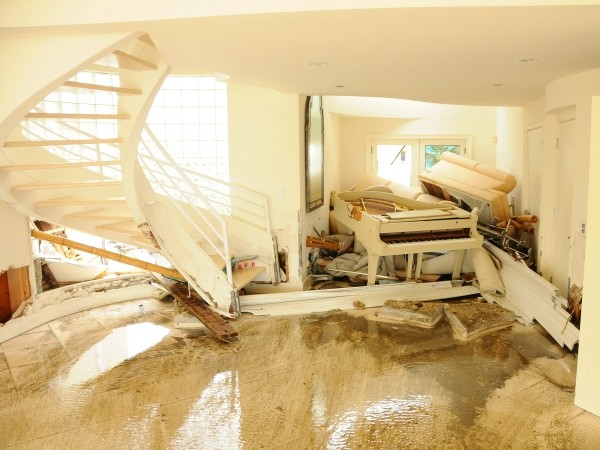
Choosing a water damage restoration company in Ann Arbor, MI can be difficult when a property owner is already dealing with a burst pipe, appliance leak, roof leak, flooding, or another unexpected water loss. The useful question is not simply which company answers first. It is whether the contractor can assess the affected areas, control moisture, document the work, explain the restoration scope, and communicate clearly about what happens next.
Incore Restoration Group provides water damage restoration for residential and commercial properties in Ann Arbor and throughout Southeast Michigan. When comparing restoration companies, owners can use response availability, training, moisture evaluation, documentation, scope clarity, and insurance communication as practical criteria rather than relying on broad marketing claims.
Confirm What Water Damage Restoration Includes
Water damage restoration can involve more than removing visible water. Depending on the loss, the work may include inspection, moisture assessment, water extraction, dehumidification, structural drying, removal of damaged materials, cleaning, and later repair or reconstruction. Incore’s disaster restoration services include water removal, dehumidification, structure drying, drywall repair, and related recovery work.
Before authorizing a project, ask which stages are included in the proposed scope and which services may require separate work. The contractor should be able to explain what is being evaluated now, which materials are affected, what needs to dry, what may need removal, and what cannot yet be determined without further access or monitoring.
Ask About Emergency Availability and Actual Scheduling
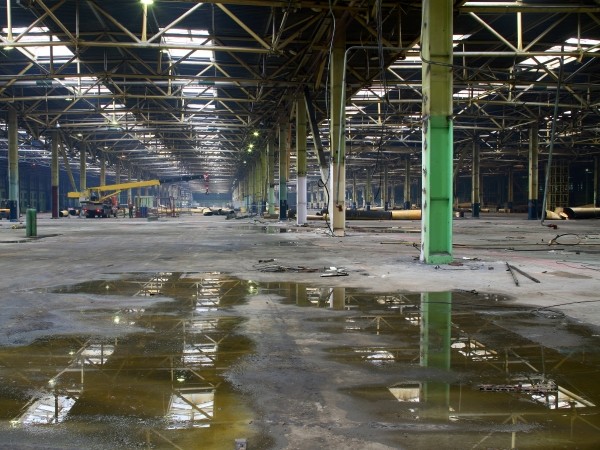
Water losses can worsen while moisture remains uncontrolled, so availability matters. Incore Restoration Group confirms 24-hour emergency response service in Southeast Michigan. Property owners comparing companies should still ask when an on-site assessment can actually occur for their specific location and situation rather than assuming phone availability guarantees a particular arrival time.
It is also useful to ask what the first visit will include. An initial response may focus on identifying affected areas, stopping or isolating the source when that work is within scope, extracting standing water, documenting conditions, and setting the next steps for drying or removal.
Verify Training and Relevant Certifications
Water restoration requires decisions about moisture, drying, material condition, and whether additional remediation work may be necessary. Incore Restoration Group’s current client record confirms IICRC certification in water restoration and applied structural drying, along with additional restoration disciplines.
When comparing companies, ask which certifications apply to the technicians or supervisors working on the project and whether the company follows recognized restoration practices. Certification does not eliminate the need for a clear project scope, but it gives the property owner a concrete qualification to verify instead of relying only on claims of experience.
Look for Moisture Measurement and Drying Verification
Drying equipment alone does not show that affected materials have reached an acceptable condition. A restoration company should be able to explain how moisture conditions will be evaluated, how progress will be monitored when monitoring is part of the job, and what information will be used to decide when drying work is complete.
Ask whether moisture readings or other project documentation will be recorded and how changing conditions will be handled. If a wall cavity, flooring system, insulation, or other concealed area cannot be fully assessed during the first visit, the contractor should identify that limitation rather than assume the area is dry.
Understand the Relationship Between Water Damage and Mold
Persistent moisture can create conditions that support mold growth, so unresolved damp materials deserve attention. That does not mean every water loss automatically requires mold remediation. The need for additional mold assessment or remediation depends on what is found, how long materials remained wet, the affected materials, and whether visible or suspected microbial growth is present.
Incore also provides mold remediation. If mold concerns arise during a water-loss project, the contractor should explain whether they are part of the current scope or require a separate assessment and remediation plan.
Review Documentation and Insurance Support Carefully
Documentation can be useful when a water-loss project involves an insurance claim. Photographs, moisture information, affected-area notes, estimates, invoices, and descriptions of completed work can help create a clearer record of the project. Incore’s current site materials state that the company works with insurance agencies and provides documentation support.
A restoration contractor does not decide what an insurer will cover or pay. Property owners should be cautious about any promise of a guaranteed claim outcome. A more useful question is what documentation the contractor will provide, who communicates with the insurer or adjuster, and which decisions remain the responsibility of the property owner and insurance carrier.
Compare the Written Scope Before Work Expands
A written scope should describe the known affected areas, planned extraction or drying work, materials that may need removal, cleaning or remediation steps where applicable, monitoring expectations, and repair or reconstruction work that is included. It should also identify important exclusions and conditions that could change the scope after damaged materials are opened.
This helps prevent a property owner from comparing two proposals that appear similar but include very different work. The least expensive initial estimate is not automatically the least expensive completed project if important drying, demolition, documentation, or reconstruction work is excluded.
Use Local Service Evidence, Not Just a Local Phone Number
Incore Restoration Group serves Ann Arbor as part of its Southeast Michigan restoration service area and has been established since 2009. A company serving the area should be able to explain its service availability, project process, and the types of restoration work it handles in the region.
Local service alone is not enough to choose a contractor, but it can be considered together with verified qualifications, emergency availability, documentation practices, scope clarity, and the contractor’s ability to manage the actual water-loss conditions at the property.
Water Damage Restoration Company in Ann Arbor, MI
Incore Restoration Group provides water damage restoration for homes and commercial properties in Ann Arbor. A property owner evaluating a restoration company should look for a clear assessment process, relevant training, documented drying and moisture practices, transparent scope, and realistic insurance-support language.
For more detail on the restoration process itself, see Incore’s Ann Arbor water damage restoration guide. Contact Incore Restoration Group at (866) 685-0009 to discuss the affected property and the next assessment steps.
Frequently Asked Questions
What should I ask a water damage restoration company before hiring them?
Ask about emergency availability, relevant training or certifications, moisture assessment and drying verification, the written scope, documentation, exclusions, and how insurance communication is handled.
Does every water loss require mold remediation?
No. Mold remediation depends on the conditions found, how materials were affected, and whether mold growth or related concerns are present. A water-loss assessment should determine whether additional mold work is appropriate.
Can a restoration company guarantee that insurance will pay for the work?
No. A contractor can provide estimates, photographs, moisture documentation, and general claim support, but the insurance carrier determines coverage and payment under the policy.
How do I know when structural drying is complete?
The restoration company should explain how moisture conditions are measured and documented and what criteria are being used to determine that affected materials have reached the appropriate drying goal for the project.