
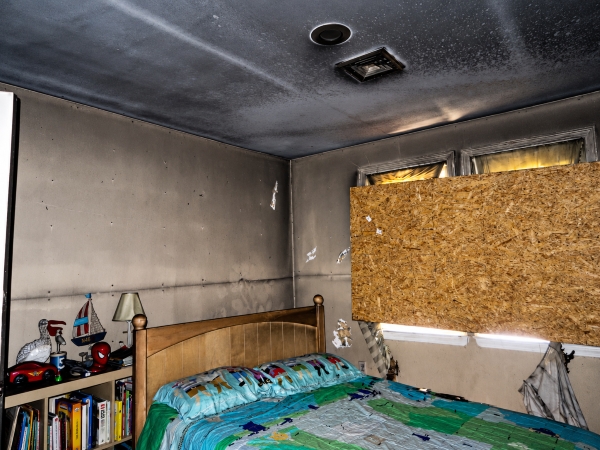
Smoke damage restoration in Warren, MI begins after the fire is out and the property is safe to enter. Smoke and soot can travel beyond the room where the fire started, leaving residue and odor on walls, ceilings, fixtures, fabrics, and other materials. Incore Restoration Group provides smoke damage cleanup for Warren homes and commercial properties, with the work focused on identifying where smoke traveled, matching cleaning methods to the residue and material, and removing odor sources rather than simply covering the smell.
The restoration plan should reflect the actual loss. A small contained fire may leave light residue in nearby rooms, while a larger or longer-burning fire can affect multiple spaces and porous materials. The useful questions are what burned, where soot settled, which materials remain cleanable, where odor is being held, and whether water from firefighting efforts created an additional drying problem.
Why Smoke Damage Needs a Separate Assessment
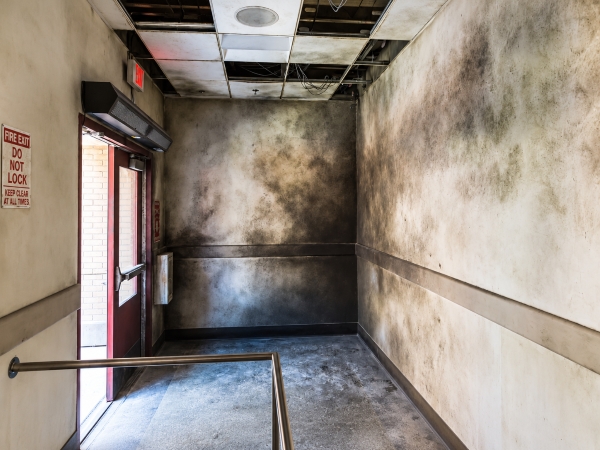
Fire damage and smoke damage are connected, but they are not identical. Heat can damage materials close to the fire, while smoke can move through open rooms, wall and ceiling cavities, and air pathways before settling on surfaces farther away.
That means visible soot near the fire is only part of the assessment. Technicians may also need to review adjacent rooms, upper surfaces, vents, return-air areas, cabinets, fabrics, and other locations where residue or odor is present. Incore’s fire damage restoration in Warren page covers the broader fire-recovery process, while this article focuses on smoke, soot, and odor.
Different Residues Require Different Cleaning Methods
Smoke residue is not uniform. The materials involved in the fire, the way they burned, and the surfaces affected can change how the residue behaves. Common observations can include:
- Loose dry residue: Fine particles that may be easier to remove before they are smeared into a surface.
- Greasy or sticky residue: Film that can spread if the wrong cleaning method is used.
- Food-related residue: Material that may be difficult to see even when odor remains noticeable.
- Heavy residue from slower-burning materials: Deposits that can cling to surfaces and may require more detailed cleaning.
A single fire can leave more than one type of residue, so one cleaner or technique may not be appropriate for every room or material. The restoration scope should match the residue and the surface rather than apply one method everywhere.
What a Smoke Damage Assessment Looks For
A smoke-damage assessment helps define how far the cleanup needs to go. Depending on the property, the review may include:
- Visible soot, staining, or film on walls, ceilings, trim, windows, fixtures, and contents
- Odor in rooms beyond the fire area
- Smoke exposure around vents, returns, and other air pathways
- Porous materials that may retain residue or odor
- Water or damp materials related to firefighting efforts
- Areas where residue type or surface condition may change the cleaning method
If firefighting water has left materials wet, drying and moisture control may need to happen alongside smoke cleanup. Materials that remain damp can create a separate moisture problem, including conditions that may support mold growth.
How Soot Cleaning Is Planned
Cleaning usually starts by controlling loose residue before more detailed surface cleaning. Rubbing or scrubbing soot without knowing how it reacts can spread discoloration or work residue farther into porous materials.
The cleaning method should therefore match both the residue and the surface. Painted drywall, finished wood, metal, glass, fabric, and insulation do not all respond the same way. Some materials may clean successfully, while others may need removal when residue, odor, water damage, or material condition makes cleaning impractical.
Those decisions should be made from the condition of the material, not from a blanket rule that every smoke-exposed item can be restored or must be discarded.
Why HVAC and Air Pathways Matter
Smoke can move through air pathways during a fire, but visible residue near a vent does not automatically prove the entire HVAC system is contaminated. The assessment should look at the conditions around returns, supply areas, equipment, and accessible duct locations when there is reason to suspect smoke traveled through the system.
Property owners should avoid turning on heating or cooling equipment simply to clear odor before the system has been evaluated. Operating equipment can move air through additional parts of the building, which may complicate cleanup if residue is present.
Odor Removal Starts With the Source
Smoke odor is not solved by fragrance alone. Lasting odor control depends on finding where smoke residue remains and then cleaning, treating, or removing the affected material as appropriate.
Porous materials can retain odor even after visible soot is gone. Drywall, insulation, unfinished wood, carpet, padding, fabric, and concealed cavities may all need different treatment decisions. After source cleaning, deodorization methods may be used where appropriate for the building and the affected materials.
No responsible restoration plan should promise that one deodorization step will eliminate every odor in every loss. Results depend on the materials, severity, access to affected areas, and whether odor sources can be cleaned or removed. Some conditions may require additional treatment or material removal.
Document Conditions Before and During Cleanup
Photographs and written notes can help record what was observed before cleaning, what areas were treated, and what materials required additional work. That documentation can also help the property owner communicate with an insurer, but the insurance policy and insurer determine coverage and documentation requirements.
Restoration documentation should describe the condition and work performed without presenting the restoration company as the decision-maker for insurance coverage.
Safety Comes Before Cleanup
Do not enter a fire-damaged property until local fire officials or other responsible authorities say it is safe. After entry is permitted, avoid unnecessary contact with soot-covered materials and follow professional guidance for areas affected by smoke, water, heat, or structural damage.
Incore Restoration Group is listed as IICRC certified in fire and smoke remediation and provides 24-hour emergency response. Those credentials support the restoration service, but the exact cleanup scope still depends on the condition of the Warren property.
Smoke Damage Restoration in Warren, MI
Incore Restoration Group serves Warren through its Warren, Michigan location coverage and provides smoke damage restoration as part of its disaster-restoration services. A useful smoke cleanup plan should identify affected areas, match cleaning methods to residue and material, address moisture where present, and treat odor by working back to the source.
Property owners can call Incore Restoration Group at (866) 685-0009 to discuss smoke damage after a fire and the next step for assessing the property.
Frequently Asked Questions
How long does smoke damage restoration take?
The timeline depends on how far smoke traveled, the amount and type of residue, the materials affected, moisture conditions, and whether any materials need removal. The assessment provides a better basis for estimating the scope.
Can smoke odor be removed completely?
Often odor can be substantially reduced or eliminated when the affected sources are accessible and can be cleaned, treated, or removed. Results depend on the materials and severity, so one outcome cannot be guaranteed for every property.
Can smoke damage be present when soot is hard to see?
Yes. Some residue can be light or difficult to see while odor remains noticeable. An assessment looks beyond obvious black soot and considers where smoke traveled and which materials were exposed.
Should I wait for my insurer before arranging smoke cleanup?
Contact your insurer promptly, but also take reasonable steps to protect the property and prevent avoidable additional damage. Keep records of conditions and work because the policy and insurer determine coverage requirements.