
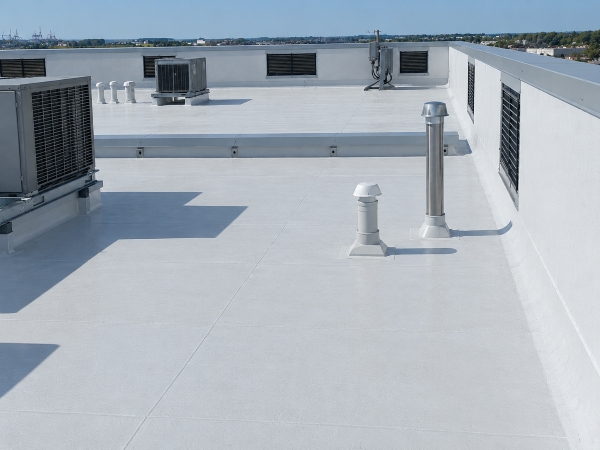
Silicone roof coating in Ann Arbor, MI can be a useful restoration option for a commercial flat or low-slope roof when the existing roof is still a suitable base for coating. Incore Restoration Group lists silicone coatings and restoration among its commercial roofing services, but the coating decision should follow the roof’s actual condition, moisture, drainage, substrate, repairs, and compatibility requirements.
The key question is not whether silicone is broadly considered durable or water resistant. It is whether the specific roof can be prepared for the selected coating system and whether defects below the surface have been addressed first. A coating is a restoration layer, not a substitute for correcting wet insulation, unstable substrate, failed flashing, or other conditions that make the roof unsuitable for coating.
When Silicone May Fit a Commercial Roof
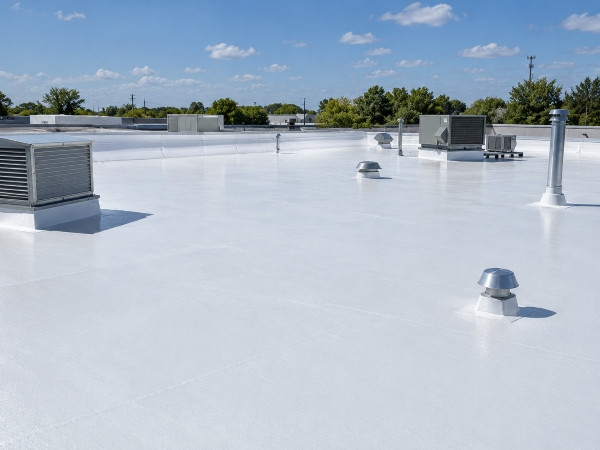
Silicone is often considered for roofs that need surface restoration and may experience recurring water accumulation, but ponding alone does not prove silicone is the right choice. The roof should still be evaluated for drainage, moisture, adhesion, substrate condition, previous coatings, and system compatibility.
Silicone coatings can be used over several commercial roof substrates when the selected product is approved for that use and the roof is properly prepared. TPO, EPDM, PVC, modified bitumen, metal, spray foam, and previously coated surfaces can all present different preparation and primer requirements. The exact product instructions control whether a substrate is acceptable.
Silicone and Acrylic Coatings Compared
Silicone and acrylic are both used in commercial roof restoration, but the better choice depends on the building and the selected products. The table below is a planning comparison, not a substitute for the actual coating specification.
| Planning Factor | Silicone | Acrylic |
|---|---|---|
| Recurring water accumulation | Often considered where the selected silicone system is approved for the roof’s drainage conditions. | Often used on roofs that drain well, subject to the requirements of the selected acrylic system. |
| Surface and traffic behavior | May become slick when wet and can collect surface dirt depending on exposure and product. | Surface behavior varies by product and application, so traffic areas still need planning. |
| Future recoating | Future work must use a system compatible with the existing silicone surface. | Future work must also follow compatibility and preparation requirements for the existing acrylic surface. |
| Substrate preparation | Requires substrate-specific cleaning, repairs, and any primer or treatment specified by the system. | Requires its own substrate-specific preparation and any required primer or treatment. |
| Application conditions | Must be applied within the selected product’s temperature, moisture, and surface requirements. | Must also be applied within the selected product’s temperature, moisture, and surface requirements. |
Check Moisture Before Coating
Moisture below the roof surface can change the entire restoration decision. A coating should not be used to trap known wet materials inside the roof assembly.
Depending on the roof and the suspected condition, moisture investigation may involve scans, test cuts, core samples, or another diagnostic method. No single screening method should be treated as automatic proof of the exact extent of wet insulation. The contractor should explain what has been confirmed, what remains uncertain, and what materials may need removal before coating.
Confirm Adhesion and Compatibility
A coating must bond to the prepared surface. Existing roof material, prior coatings, oxidation, dirt, moisture, oils, repair products, and surface deterioration can all affect adhesion.
Some projects may use an adhesion test area or another product-specific compatibility check before full application. The proposal should identify the roof type, the coating system, any primer or preparation steps, and how compatibility will be confirmed rather than assuming one silicone product works over every roof.
Repair Defects Before the Coating Goes On
Open seams, punctures, failed flashing, loose membrane, damaged edge details, or unstable substrate should be addressed before a restoration coating is applied. The coating should not be expected to correct defects that require a separate repair method.
If deterioration or moisture affects broad roof areas, it may be appropriate to compare a larger repair or flat roof replacement scope. That does not make replacement automatic. It means the roof condition should be compared against the limits of a coating restoration.
Evaluate Ponding and Drainage Separately
Silicone may be considered for some roofs that experience recurring ponding, but drainage problems still deserve separate evaluation. Blocked drains, low areas, settlement, slope, or outlet conditions can continue to stress the roof even after coating.
A proposal should explain whether drainage correction is part of the project, whether the selected coating is approved for the observed conditions, and whether low areas need another solution before application.
Preparation and Application Matter
Once the roof is confirmed as a suitable candidate, preparation may include cleaning, removal of loose material, repair of seams and flashing, treatment of problem areas, and any primer or substrate work required by the selected system.
The coating should then be applied according to the product specification. Coverage rate, finished thickness, cure conditions, and detail work can vary by system. Those requirements should come from the actual coating being installed rather than a generic thickness or application rule.
Weather Can Affect the Installation Window
Commercial roof coatings require appropriate surface and weather conditions for application and cure. In Ann Arbor, cold temperatures, rain, dew, and changing seasonal conditions can affect scheduling.
There is no universal spring-only or summer-only rule. The installer should follow the temperature, surface-moisture, cure-time, and weather requirements for the selected coating. A project may need to be delayed when those conditions cannot be met safely or reliably.
Plan for Future Inspection and Recoating
A coated roof still needs periodic review, but there is no single inspection interval that fits every building. The schedule should reflect roof condition, drainage, rooftop traffic, repair history, exposure, and any written maintenance requirements that apply to the coating system.
Future recoating may be possible, but the next coating must be compatible with the existing surface and may require cleaning, testing, primer, repairs, or another preparation step. Incore’s roof inspection in Ann Arbor page provides related context for condition reviews.
Questions to Ask Before Approving Silicone Coating
- What roof system and existing coatings are on the building now?
- How were moisture concerns evaluated?
- What defects must be repaired before coating?
- How will adhesion and substrate compatibility be confirmed?
- Does the selected silicone system fit the observed drainage and ponding conditions?
- What primer or preparation is required?
- What application and cure conditions must be met?
- What written maintenance and future recoating requirements apply?
Silicone Roof Coating in Ann Arbor, MI
Incore Restoration Group provides silicone coatings and restoration within its commercial roofing services. Property owners comparing coating options can review the broader roof coating in Ann Arbor page and Incore’s roof coating services information for additional context.
For an Ann Arbor commercial building, the strongest coating decision starts with roof condition, moisture, substrate, repairs, drainage, compatibility, and the requirements of the selected coating system. Building owners can call Incore Restoration Group at 866-685-0009 to discuss the roof and whether a silicone restoration approach may fit the property.
Frequently Asked Questions
Is silicone roof coating better than acrylic?
Not automatically. Silicone and acrylic have different product characteristics, and the better choice depends on roof condition, drainage, substrate, compatibility, and the requirements of the selected system.
Can silicone be applied over an existing commercial roof?
Sometimes, when the existing roof is a suitable restoration candidate and the selected coating is compatible with the prepared substrate. Moisture, adhesion, and repair needs should be checked first.
Will silicone coating stop an active roof leak?
Known seams, flashing defects, punctures, wet materials, or other repair conditions should be addressed before coating. A coating should not replace repairs that require separate corrective work.
When can silicone coating be applied in Michigan?
Application depends on the selected product’s temperature, surface-moisture, weather, and cure requirements. The installer should schedule the work when those conditions can be met.