
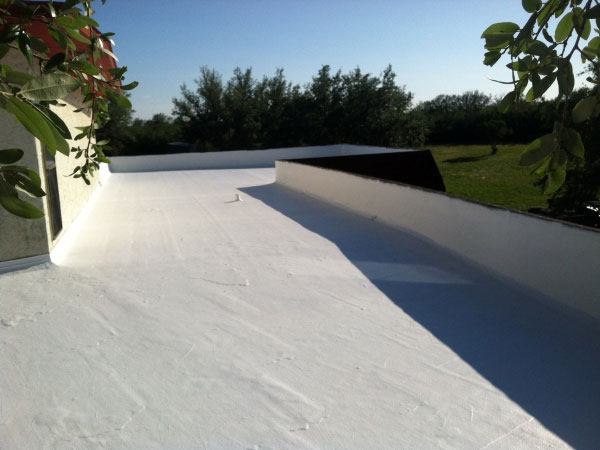
Commercial flat roofs in Dearborn Heights, MI, face changing weather throughout the year, with Michigan winters creating particular concerns for seams, penetrations, and other vulnerable areas. Flat roof sealing can help protect these areas from moisture that may freeze, expand, and contribute to further roof damage. Call Incore Restoration Group at 866‑685‑0009 for flat roof sealing in Dearborn Heights, MI.
Why Michigan’s Freeze-Thaw Cycle Affects Flat Roofs
Water can enter small openings around seams, roof penetrations, and transitions where different roofing components meet. A penetration is any point where equipment, pipes, vents, or similar components pass through the roof. During colder weather, trapped moisture can freeze and expand, placing added pressure on the surrounding roofing materials.
As temperatures rise, ice thaws and water may move farther into an opening before freezing again. Repeated freeze-thaw cycles can widen existing gaps and worsen localized damage.
For commercial property owners and managers, these conditions can make routine roof inspections especially valuable before and after winter. Identifying vulnerable areas early provides an opportunity to address them before repeated weather exposure leads to more extensive repairs.
How Flat Roof Sealing Helps Protect Vulnerable Areas
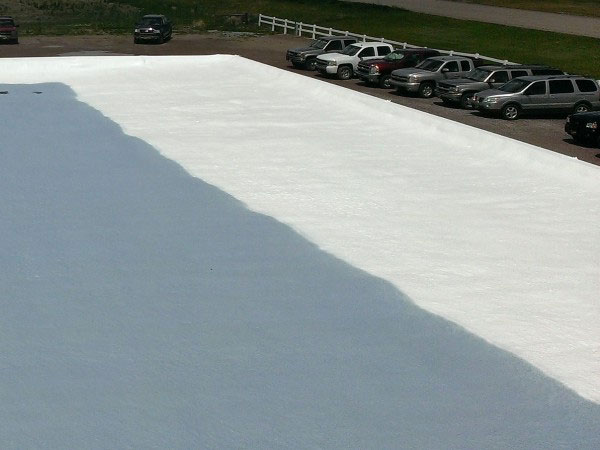
Flat roof sealing focuses on closing and protecting areas where water may enter the roofing system. Depending on the roof and its condition, attention may be given to seams, penetrations, transitions, and other locations where the roof surface meets another component. The goal is to create a more continuous barrier against moisture.
Seams connect sections of roofing material, while transitions occur around walls, equipment, drains, and changes in the roofing system. These areas can experience movement and weather exposure. An inspection helps determine which details require attention and which sealing methods are appropriate.
Sealing may help address small defects before water reaches deeper parts of the roof assembly. Once moisture gets below the surface, identifying the full extent of the damage can become more difficult. Addressing localized problems early can help property managers plan maintenance and reduce unexpected repairs.
When to Schedule Flat Roof Sealing in Dearborn Heights
Weather affects both roof performance and the timing of maintenance. Property owners should plan inspections before winter rather than wait for a leak. An inspection during suitable weather can identify seams, penetrations, or transitions that need attention before freezing temperatures arrive.
Spring can also be a useful time to evaluate how a commercial roof performed during winter. Freeze-thaw exposure may reveal changes that were not visible earlier, particularly around previously vulnerable areas. A post-winter inspection can help determine whether sealing or other repairs are appropriate before spring and summer storms add more moisture exposure.
Whether sealing can be completed in cold weather depends on the roofing materials, product requirements, surface condition, and temperatures during application and curing. Moisture, frost, and unsuitable temperatures can affect adhesion and performance, so conditions must be evaluated before work is scheduled.
Preventing Small Openings From Becoming Larger Problems
A small gap on a commercial roof may not cause an immediate interior leak. Water can move through the roofing assembly before signs appear inside the building. Seasonal inspections and documented maintenance can help identify these problems on facilities with large roof areas.
Property managers should also consider how roof access, equipment, and ongoing building operations affect vulnerable areas. Regular maintenance activities can expose existing weaknesses or create movement around penetrations and transitions. Inspecting these locations as part of a broader roof maintenance plan can help identify changes before winter weather places additional stress on them.
Inspection and maintenance records provide a history of recurring problems. If the same area repeatedly needs attention, a contractor can assess whether further sealing, a more extensive repair, or replacement is appropriate.
Plan Ahead for Seasonal Roof Protection
Michigan’s changing temperatures can worsen small roof openings when moisture repeatedly freezes and thaws inside them. Inspecting and addressing vulnerable seams, penetrations, and transitions before severe winter weather helps property owners plan maintenance and protect their commercial roofs.
For flat roof sealing in Dearborn Heights, MI, contact Incore Restoration Group at 866‑685‑0009 today.
FAQ
When is the best time of year to seal a flat roof in Michigan?
The best timing depends on roof conditions and the sealing method being used, but planning ahead of winter can allow vulnerable areas to be addressed before repeated freezing and thawing. A spring inspection can also identify issues that developed or worsened during winter.
Can flat roof sealing be done in cold weather?
Some sealing work may be possible depending on the materials, temperature, roof surface, and weather conditions. Frost, moisture, and unsuitable temperatures can affect application and performance, so the roof should be evaluated before cold-weather work is scheduled.
How can a Michigan winter affect gaps in a flat roof?
Water can enter small openings around seams, penetrations, and transitions. When that moisture freezes, it expands and can place pressure on surrounding materials. Repeated freeze-thaw cycles may gradually worsen existing gaps and increase the potential for water intrusion.