
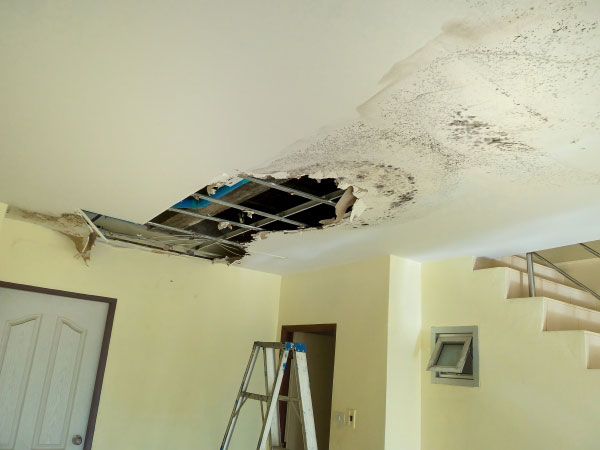
A drying plan should establish how a water-damaged property will be monitored before repairs close walls, cover subfloors, or replace finishes. For a Wixom, MI home or business, that means documenting the affected materials, the moisture conditions that were found, how drying will be carried out, and what evidence will show that the area is ready for repair.
Why Drying Comes Before Repair
Removing standing water is only the beginning of water damage restoration. Moisture can remain in drywall, framing, subfloors, insulation, and other materials after surfaces appear dry. Repairing over damp materials can trap moisture and make it harder to identify whether the building has actually returned to an acceptable condition.
Incore Restoration Group provides water removal, dehumidification, structure drying, and repair services as part of its disaster restoration work in Southeast Michigan. Its current site also confirms 24-hour emergency disaster response for Wixom and surrounding communities.
Document the Source and Affected Materials
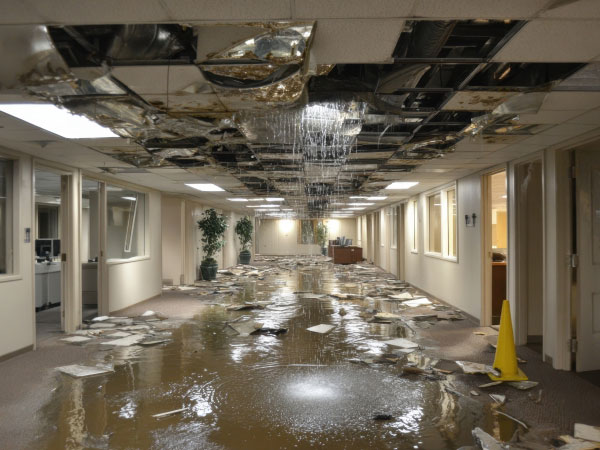
A drying plan should begin by identifying where the water came from, what areas were affected, and which materials are involved. Source conditions matter because contamination concerns and the ability to dry a material in place can change the scope of work.
The plan should distinguish materials that may be suitable for drying from those that require removal because of damage, contamination, deterioration, or other project conditions. That decision should follow the actual loss rather than a generic rule applied to every property.
Record Baseline Moisture Conditions
Initial moisture readings create a reference point for later checks. The specific instruments and locations used depend on the materials and building assembly, but the goal is to document where moisture is present before active drying begins.
Readings may be taken in drywall, framing, subfloors, or other affected materials where appropriate. The important point is not a single universal number. The plan should identify the comparison method and the drying goal used for the materials involved.
Define Equipment Placement and Airflow
Air movers, dehumidification, and other drying equipment should be placed according to the affected area, material conditions, room layout, and drying strategy. A useful plan records where equipment is being used and how the setup supports drying of the identified materials.
Incore’s disaster restoration service page lists water removal, dehumidification, carpet drying, drywall repair, and structure drying among its restoration services.
Set a Monitoring Process
Drying should be monitored rather than left on a fixed timetable. Follow-up readings show whether materials are moving toward the drying goal and whether equipment placement or the drying approach needs to change.
The monitoring frequency depends on the loss, materials, equipment, access, and progress observed. Daily checks are common in active drying work, but the schedule should follow the project rather than be treated as a universal requirement.
Define What Counts as Ready for Repair
A drying plan should state how the restoration team will decide that materials are ready for repair. That may involve comparison with unaffected materials, documented drying goals, material-specific guidance, or other accepted project criteria.
Repairs should not move forward simply because the surface feels dry. The closeout decision should be tied to documented conditions so the repair scope is based on evidence rather than appearance alone.
Use Drying Results to Finalize the Repair Scope
Drying can change what needs to be repaired. Some materials may remain serviceable after successful drying, while others may show deterioration or damage that requires removal and replacement. Final repair decisions are more reliable when they follow the drying findings rather than the first visual assessment.
For broader local service context, Incore’s Wixom service page describes water extraction, structural drying, dehumidification, and repair work for residential and commercial properties.
Keep Moisture Control Connected to the Larger Restoration
A drying plan is one part of a larger restoration process. If moisture conditions reveal additional concerns, the project may need a revised scope before finishes go back in. Incore’s mold remediation page for Wixom also reinforces the importance of correcting moisture conditions when mold-related work is involved.
Drying Plans for Water Damage Repair in Wixom, MI
A useful drying plan should show what was affected, how moisture was documented, how drying is being managed, how progress will be monitored, and what evidence will support the move into repairs. That record gives a property owner a clearer basis for understanding why repair work is starting when it does.
Call (866) 685-0009 to discuss water damage restoration and drying needs for a Wixom property.
Frequently Asked Questions
How long does drying take before repairs can begin?
There is no universal number of days. The timeline depends on the materials, amount of water, building conditions, drying setup, and the documented progress toward the project’s drying goals.
Can repairs begin before drying is confirmed?
Repairs that close or cover affected materials should generally follow documented drying results so moisture is not concealed behind new finishes.
What happens if a material is not drying as expected?
The drying setup and material condition should be reassessed. Equipment, airflow, access, or the repair scope may need to change, and some materials may ultimately require removal rather than continued drying.