
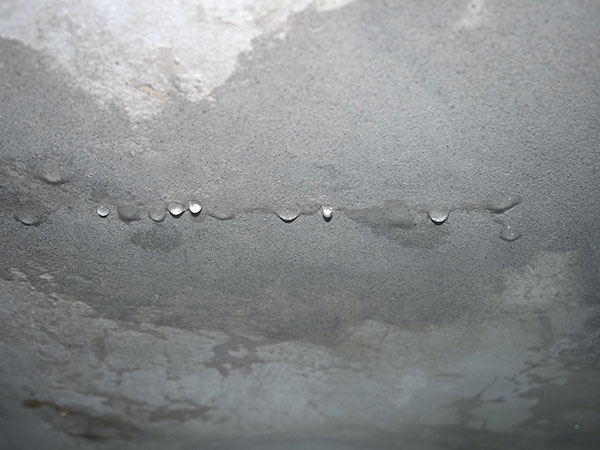
Water damage can affect a home or commercial building quickly, whether it comes from a burst pipe, appliance leak, storm, sewage backup, or flooding. In Ypsilanti, property owners may need a water damage restoration company to remove standing water, dry affected materials, and address damage before it creates additional problems.
Call Incore Restoration Group at (866) 685-0009 for water and flood damage restoration in Ypsilanti, MI.
What Happens During the Initial Assessment?
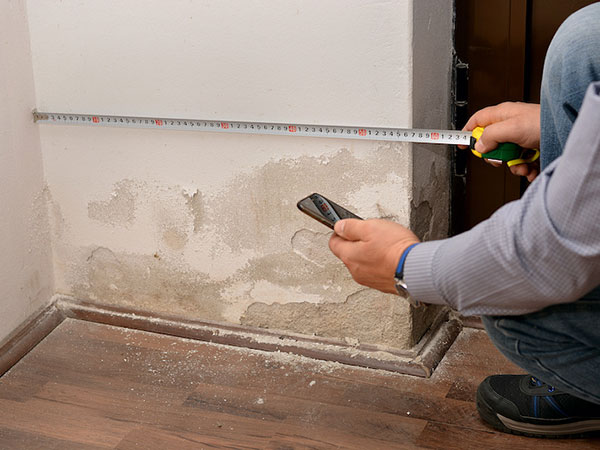
The restoration process begins with an inspection of the affected property. Technicians identify where water has spread, determine which materials have been affected, and look for areas where moisture may be hidden behind walls, beneath flooring, or in other concealed spaces. Moisture detection equipment can help locate damp areas that may not be visible during a basic visual inspection.
The type of water involved also affects the restoration approach. Clean water from a supply line may present different concerns than contaminated water from a sewage backup or flooding. Category 3 water refers to water that is heavily contaminated and may contain harmful microorganisms or other contaminants. Understanding the source and condition of the water helps determine appropriate cleanup and safety measures.
Water Removal and Drying
After the assessment, standing water is removed as quickly as practical. Professional restoration crews may use pumps, wet vacuums, and other extraction equipment depending on the amount of water present. Removing visible water is only the first part of the drying process because moisture can remain inside building materials and enclosed spaces.
Industrial-grade air movers and dehumidifiers may be used to reduce moisture levels. Technicians can monitor affected areas during the drying process to determine whether materials are returning to appropriate moisture conditions. This step can be especially important for properties with wet drywall, wood, insulation, flooring, or other porous materials.
Cleaning, Remediation, and Repairs
Once excess moisture has been removed, affected areas may need cleaning and treatment. Remediation means addressing contamination or damage so the affected space can be returned to a suitable condition. Depending on the source of the water, cleaning may include removal of damaged materials, antimicrobial treatment, odor control, or other measures.
If materials cannot be adequately restored, they may need to be removed and replaced. Restoration can also involve repairs to portions of the building that were damaged by the water event. Property owners should understand that the scope of repairs depends on the severity of the damage, the materials involved, and how long the property remained wet.
Working With an Insurance Adjuster
Property owners may choose to involve their insurance company after a water loss. A restoration company typically documents the affected areas and the work performed, which can provide useful information for the insurance process. Photographs, moisture readings, descriptions of damaged materials, and records of restoration activities may all help document what occurred.
Property owners can support this process by keeping relevant records and communicating promptly with their insurance representative. Insurance policies and coverage vary, so questions about coverage, deductibles, or claim decisions should be directed to the appropriate insurance professional. Restoration contractors can provide information about the physical damage and restoration work without determining what an individual policy covers.
Choosing a Water Damage Restoration Company
When selecting a restoration provider, property owners should consider relevant training, certifications, experience, and the company’s ability to handle the type and scale of water damage involved. Professional credentials can indicate that technicians have received training in recognized restoration practices, equipment use, moisture management, and related procedures.
Clear communication also matters throughout the project. Homeowners, property managers, and commercial building owners should know what the assessment found, what work is being performed, and what steps are expected next. Asking questions about the restoration process and documentation can help property owners make informed decisions during an already disruptive event.
Get Help With Water Damage Restoration
Water damage restoration involves more than removing standing water. Assessment, extraction, drying, cleaning, documentation, and repairs may all be part of returning a property to a usable condition. Acting promptly can also help limit the time that building materials remain exposed to excess moisture.
Incore Restoration Group provides water damage restoration services for homes and commercial buildings in Ypsilanti, MI. Property owners who need assistance with a water loss can contact the team at (866) 685-0009 to discuss the situation and determine the appropriate next steps.
FAQ
What is the difference between a water damage restoration company and a general contractor?
A water damage restoration company focuses specifically on responding to water losses, including water extraction, structural drying, moisture monitoring, cleaning, and related restoration services. A general contractor typically focuses on construction and repair work. The right first contact after a water event depends on the immediate needs of the property, but prompt water removal and drying can be necessary before longer-term repairs begin.
How does a water damage restoration company typically communicate with an insurance adjuster?
A restoration company may document the condition of the property, affected materials, moisture levels, and work performed. This information can be shared as part of the insurance process when appropriate. Property owners should maintain their own records and communicate directly with their insurance representative about policy-specific questions.
What qualifications and certifications should a property owner look for?
Property owners can look for relevant industry certifications, technical training, experience with water damage restoration, and appropriate safety practices. Credentials can demonstrate that technicians have received instruction in established restoration procedures. Asking about qualifications before work begins can help property owners understand the provider’s level of preparation for the project.