
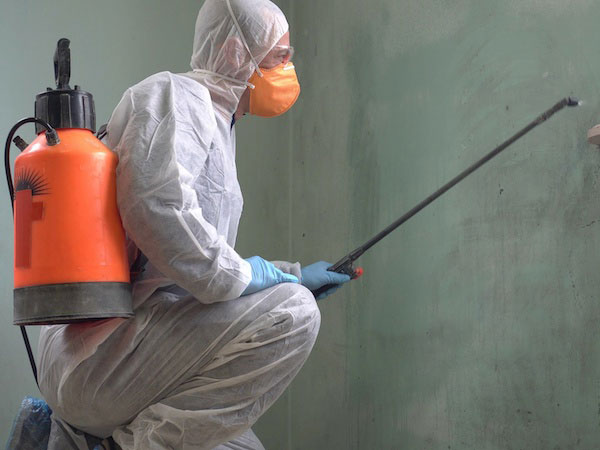
Moisture problems can support mold growth in homes and commercial buildings in Ypsilanti, MI. Leaks, condensation, flooding, or inadequate ventilation can allow building materials to remain damp. Black mold remediation addresses mold growth and the moisture conditions that allow it to develop. Incore Restoration Group provides mold remediation and removal services for residential and commercial properties in Ypsilanti. Call (866) 685‑0009 to discuss a mold-related concern.
Why Black Mold Remediation Matters for Indoor Health
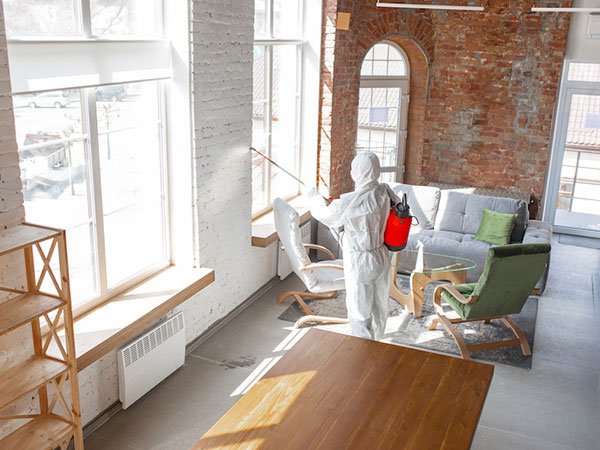
Exposure to damp, moldy environments can cause respiratory or allergy-related symptoms in some people, while others may experience no symptoms. Possible reactions include sneezing, nasal congestion, throat irritation, coughing, and eye irritation. People with asthma or mold allergies may be more sensitive. Mold color alone does not indicate how dangerous it is; visible growth should be addressed regardless of color.
Anyone concerned about symptoms associated with mold exposure should consult a healthcare professional.
Black mold remediation involves correcting moisture sources, containing affected areas when appropriate, removing contaminated materials that cannot be restored, and cleaning salvageable surfaces. The goal is to remove mold contamination and prevent conditions that support its return.
How Ypsilanti Homes Can Develop Conditions for Mold
Older homes in Ypsilanti can present moisture-related challenges. Aging roofs, plumbing, foundations, windows, and exterior drainage components may develop leaks or allow water to enter. Areas with inadequate ventilation can also remain damp after a leak or a period of high humidity.
Flooding or poor drainage can leave building materials wet, including in properties near the Huron River. Proximity to the river alone does not establish a mold problem. The relevant conditions are water intrusion, persistent dampness, and inadequate drying.
Mold can develop behind walls, beneath flooring, around plumbing fixtures, inside cabinets, in attics, or in basements. Because some affected areas may be hidden, property owners may notice a musty odor or recurring moisture problem before they see visible growth. Investigating the source and extent of the problem can help determine what remediation work is appropriate.
What the Remediation Process Involves
A black mold remediation project generally begins with an assessment of the affected areas and the moisture conditions contributing to mold growth. The extent of contamination, the materials involved, and whether the affected space connects to occupied areas can influence the work required.
Where appropriate, affected areas are isolated to limit the spread of dust and mold particles. Materials that cannot be effectively cleaned must be removed and properly discarded, while salvageable surfaces are cleaned using appropriate remediation methods. High-efficiency particulate air (HEPA) filtration equipment may also be used to capture airborne particles during the work.
Addressing moisture is equally important. Leaks, water intrusion, condensation, or other sources of dampness need to be corrected so that the conditions supporting mold growth do not continue. Simply cleaning visible mold without addressing the underlying moisture problem can allow growth to return.
Evaluating the Property After Remediation
After remediation, the affected areas should be checked for remaining visible mold, mold-damaged materials, musty odors, and unresolved moisture problems. Follow-up inspections can help determine whether water damage or mold growth has returned.
Mold testing is not routinely necessary when growth is visible, and a test result alone cannot establish that a building is healthy. There are no federal limits for indoor mold or mold spores. If a qualified professional recommends testing for a specific purpose, the findings should be considered alongside the inspection, moisture conditions, and remediation objectives.
Preventing recurrence requires continued moisture control. Property owners can reduce future problems by repairing leaks promptly, maintaining drainage systems, controlling indoor humidity, improving ventilation where needed, and responding quickly to water damage.
Protecting Indoor Air Quality After Mold Growth
Mold can affect both building materials and the indoor environment. Identifying the source of moisture and completing appropriate remediation can help limit exposure and reduce recurring growth. Incore Restoration Group helps homeowners, property managers, and commercial property owners in Ypsilanti address mold-related problems. Call (866) 685‑0009 to discuss your property and arrange restoration services.
FAQ
What health effects can mold exposure cause, and why do they vary?
Mold exposure may cause coughing, sneezing, congestion, throat irritation, or eye irritation, especially in people with mold allergies or asthma. Individual sensitivity, exposure, and existing health conditions affect how a person responds.
How can older Ypsilanti housing become more susceptible to black mold growth?
Older homes may have aging roofs, plumbing, foundations, windows, or drainage components that allow moisture to enter. Limited ventilation can also allow damp areas to remain wet longer. When these conditions persist, they can create an environment where mold can grow.
How is a property evaluated after mold remediation?
The evaluation checks for remaining visible mold, mold-damaged materials, and unresolved moisture problems. Visible mold, mold-damaged materials, and musty odors should not remain. Follow-up checks help identify recurring moisture or growth. Testing may be appropriate for a specific concern, but results alone do not establish that a building is healthy.