
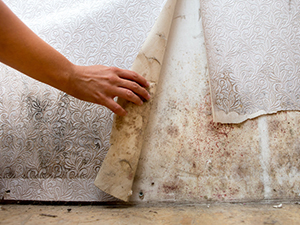
Water damage restoration in Novi, MI should follow a documented sequence from the first assessment through drying verification and closeout. The visible wet area does not always show how far water traveled, so the response should identify the source, document affected materials, control additional water, and use follow-up moisture readings to guide the work.
Incore Restoration Group provides water damage restoration for homes and businesses in Novi. Property owners can review the company’s disaster restoration services while preparing for the assessment and the decisions that follow.
Common Causes of Water Damage
Water can enter a building through plumbing failures, appliance leaks, roof leaks, groundwater or surface-water intrusion, and severe weather. The source matters because stopping additional water is different from drying materials that are already wet. A restoration plan should identify both the source and the affected area rather than treating the visible water as the entire problem.
The same principle applies to a small leak. A limited wet spot may be manageable when the affected area can be defined, while water that has traveled into wall cavities, flooring, insulation, or other concealed areas can require a broader assessment before the scope is set.
What to Do Before the Restoration Team Arrives
Property owners can make a few safe observations without entering hazardous areas. Note where the water appears to be coming from if that is obvious, keep people away from standing water near electrical equipment, and move unaffected belongings away from the area only when it can be done safely.
Do not rely on surface appearance to decide that materials are dry or that mold is absent. Professional assessment is still needed to determine how far moisture traveled and which materials can remain in place.
The Water Damage Restoration Process
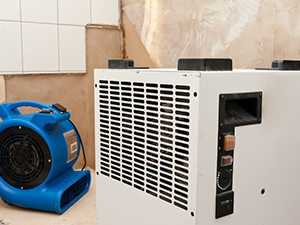
A professional restoration project generally begins with inspection and moisture assessment. Technicians document the affected areas, identify materials that have been exposed, and determine whether the source of water has been stopped. Standing water is then removed when present so drying work is not competing with continued intrusion.
Materials are evaluated individually. Some may be suitable for drying in place, while others may need removal because of their condition, the type of material, the extent of saturation, or the nature of the water involved. The decision should follow the actual condition found rather than a blanket rule that everything wet must stay or everything wet must be removed.
Documenting the Affected Materials
Documentation should occur before major removal or drying changes the visible condition. Useful records can include the affected rooms, materials, moisture readings, photos when appropriate, and notes on what is being dried, removed, or monitored. That record gives the property owner a clearer explanation of the scope and provides a reference if additional conditions are found later.
If the project involves an insurance claim, documentation may help support communication with the insurer, but restoration documentation does not guarantee coverage or payment. Coverage decisions remain subject to the policy and the insurer’s review.
Drying Should Be Monitored, Not Assumed
Drying is not complete simply because equipment has been running for a certain number of days. Air movement and dehumidification are adjusted to the affected area, and follow-up readings are used to track whether materials are moving toward the project-specific drying criteria.
If readings show that one area is not progressing as expected, the restoration plan may need to change. The response can include repositioning equipment, opening access to trapped moisture, or reevaluating materials that are not drying as intended. Completion should be based on documented moisture conditions and the final scope, not elapsed time alone.
Mold Prevention and Remediation
Persistent moisture can create conditions that support mold growth, which is one reason timely source control and monitored drying matter. If mold is already present or suspected, that condition should be evaluated separately rather than treated as an automatic part of ordinary water extraction.
Incore’s mold remediation services provide related guidance when the project includes microbial growth. The appropriate scope depends on the actual materials and conditions found at the property.
The Importance of Rapid Response
Earlier assessment can limit the time materials remain wet and may preserve more repair options. It does not guarantee that damage will be minor, but it gives the restoration team a better opportunity to identify the source, document conditions, and begin the appropriate response before moisture spreads farther.
Choosing a Local Damage Restoration Company
A restoration contractor should be able to explain how the assessment was performed, which materials are affected, what is being removed or dried, how progress will be monitored, and what documentation marks completion. Incore Restoration Group serves Southeast Michigan, including Novi, and the company is IICRC certified and was established in 2009.
Preventive Measures to Reduce Water Damage
Property owners can reduce risk by maintaining roofing and gutters, inspecting plumbing and appliance connections, keeping drainage paths clear, and using leak-detection or sump equipment where appropriate. Site grading can also matter where surface water collects near the foundation. These steps reduce risk but do not eliminate the possibility of future water intrusion.
Professional Water Damage Restoration
A complete restoration process should connect assessment, source control, material decisions, drying, follow-up readings, and closeout documentation. Before the project is considered finished, the owner should understand what was affected, what was removed or retained, how drying progress was confirmed, and whether any unresolved condition remains.
Contact Incore Restoration Group at (866) 685-0009 to discuss water damage restoration in Novi, MI.
Frequently Asked Questions
Can water damage affect structural materials?
Yes. Extended moisture exposure can affect wood, drywall, insulation, and other building materials, but the extent should be established through inspection rather than assumed from one visible symptom.
How do professionals determine the extent of water damage?
They combine visual inspection with moisture readings and other project-appropriate assessment methods to identify affected materials and define the restoration scope.
Are personal belongings always salvageable after water damage?
No. Salvageability depends on the material, the type of water involved, the extent of exposure, and the condition of the item when it is evaluated.
How do I know when drying is finished?
Drying should be confirmed with follow-up moisture readings and the project-specific completion criteria, not by a fixed number of days or surface appearance alone.