
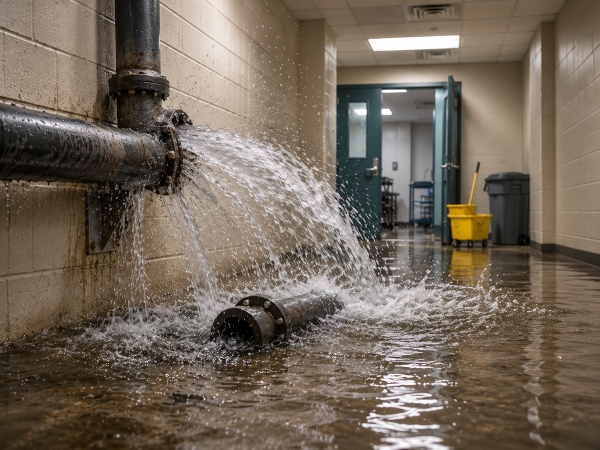
Choosing a water damage restoration company in Canton, MI means checking more than whether someone can remove standing water. A homeowner or commercial property manager needs to know who will evaluate hidden moisture, which drying records will be kept, what the emergency response includes, and where mitigation ends and rebuilding begins. Those answers make it easier to compare the actual work being proposed.
Incore Restoration Group serves residential and commercial properties in Canton and across Southeast Michigan. Its disaster restoration services include water damage response, and the company offers 24-hour emergency response. The following questions help owners compare response arrangements, documented drying work and responsibilities before authorizing a project.
Confirm the Restoration Training Behind the Work
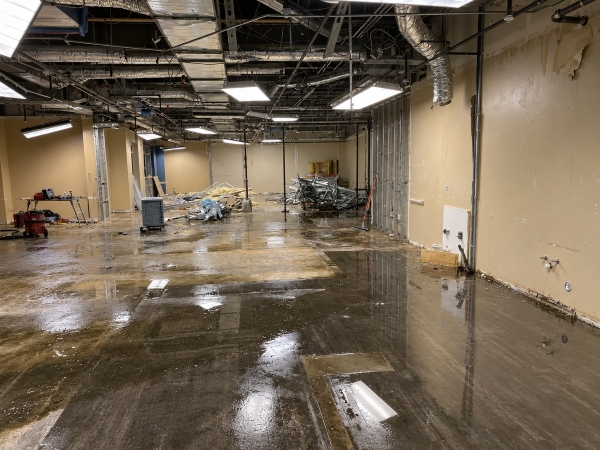
Water mitigation calls for decisions about contamination, building materials, drying equipment and when portions of the assembly may need to be removed. The Institute of Inspection, Cleaning and Restoration Certification (IICRC) offers training and credentials relevant to this work, including water restoration and applied structural drying. Ask which technicians will evaluate your loss and whether their training is current and relevant to the conditions on site.
Incore has operated since 2009 and identifies team members with IICRC credentials in water restoration and applied structural drying. Its company information also identifies membership in Contractor Connection. These facts establish experience and affiliations, but they do not replace a discussion of the people assigned to a specific property or the written work scope. An individual certification should not be presented as proof that every proposed method is appropriate.
What Does 24-Hour Emergency Response Include?
A company answering calls at night is useful, but an owner should also understand what happens after the call. Ask whether the first visit is for an assessment, immediate water extraction, temporary stabilization or a combination. Ask what conditions could delay access, such as unsafe electrical systems, contaminated water or the need to stop an active plumbing leak.
Incore advertises 24-hour emergency response, but that is not a promise of a particular arrival time. For an active loss, keep people away from standing water near electrical equipment. Where safe and feasible, stop the source of water through an appropriate shutoff and arrange any necessary plumbing or utility assistance. Describe the affected rooms and any suspected contamination when contacting the restoration company, rather than entering an unsafe area to inspect it yourself.
Separate Emergency Mitigation From Repairs and Reconstruction
The first scope usually concerns stabilization and mitigation: assessing affected areas, extracting water where appropriate, controlling moisture and removing materials that cannot reasonably be dried in place. The later scope may include repairs such as replacing damaged drywall, flooring, baseboards or other finishes. The boundary is important even when a company offers multiple restoration services.
Before authorizing work, ask whether the written proposal includes only the mitigation phase or also any repair and reconstruction phase. If a different contractor will handle rebuilding, clarify who confirms drying completion, how removed materials are recorded and what condition the space will be left in. Neither the appearance of a dry surface nor the removal of equipment should be treated as automatic approval to close a concealed wall or floor cavity.
A workable handoff identifies the affected rooms, the materials removed, the areas checked for remaining moisture and any unresolved conditions that the next contractor must address. It should distinguish confirmed conditions from suspected damage requiring additional access.
Ask How the Company Will Track Drying
Air movers and dehumidifiers are tools, not proof of a completed drying project. The provider should explain how affected materials are identified, what moisture measurements will be taken and how progress will be checked over time. Measurements may involve surface readings and other methods selected for the materials and conditions. An instrument reading alone does not establish whether a hidden assembly is dry.
Ask what documentation will be provided for the job. Useful records may include a map of affected areas, initial and follow-up moisture readings, material conditions, equipment locations or changes, removal notes, and the basis for determining that drying goals were reached. The exact reports and testing methods should be agreed upon in the scope; do not assume that every restoration visit automatically includes destructive testing or a comprehensive written engineering report.
Moisture that remains in affected materials can contribute to additional deterioration and microbial growth. If suspected mold is identified, the appropriate next step depends on its extent and source. Incore also describes mold remediation, a related service that should not be assumed necessary for every water loss.
Compare the Written Scope, Not Just the Estimate
Two proposals can use the term “water damage restoration” while covering different work. Before comparing them, check whether each identifies the source and affected areas, the extraction or removal work, drying methods, expected monitoring, protection of unaffected rooms, cleanup, and the point at which repairs would be a separate decision.
- Affected areas: Which rooms, materials and accessible cavities are included in the initial assessment?
- Exclusions: Are plumbing repairs, electrical work, testing, reconstruction and finish replacement included or excluded?
- Changes in scope: Who approves additional removal if hidden damage is discovered?
- Monitoring and closeout: What readings and records support the end of the mitigation phase?
- Access and protection: How will equipment, noise, dust and occupied spaces be managed during drying?
The most useful estimate makes these distinctions understandable. Exact costs and duration depend on the damage, water source, materials and access; a company should explain meaningful uncertainties instead of promising a fixed outcome before assessment.
Questions for Commercial Property Managers in Canton
Commercial water damage may affect multiple tenants, rooms or operations at once. Ask who will coordinate building access, where drying equipment may be placed, how affected spaces are separated from occupied areas and how updates will reach the owner and occupants. If the loss affects shared systems or neighboring suites, the proposed scope should identify those boundaries rather than treating the building as a single room.
Discuss working hours, equipment power needs, security and the process for approving additional areas of work. A realistic plan should recognize that some spaces may need temporary restrictions while the cause and extent of damage are being investigated. The contractor should identify any activities that require a separate specialist rather than claiming every trade is included.
For homeowners, similar questions apply on a smaller scale: which belongings can remain, which areas will be inaccessible, who explains changes, and how the household will know that the mitigation phase is complete.
Insurance Records and Communication
Contact the insurer when appropriate under the policy and maintain your own record of the loss, including dates, photographs taken from safe locations, correspondence and authorized work. The restoration provider can explain its documentation, but the insurer determines coverage under the applicable policy. Neither a company affiliation nor an estimate guarantees reimbursement.
When work changes, request an updated written description before additional nonemergency work proceeds where practicable. Keeping mitigation documentation separate from rebuilding estimates helps identify which work has actually been performed and which decisions are still open.
When Water Damage Is Part of a Larger Loss
Firefighting water can affect a property already damaged by fire and smoke. In that situation the water scope must account for the broader conditions, rather than assuming ordinary clean-water drying methods apply. Incore’s Canton fire damage restoration article addresses the related loss. Its Canton service-area page provides local service context.
For water damage in a Canton home or commercial building, Incore Restoration Group can be reached at (866) 685-0009. Ask what the initial assessment includes, what the mitigation scope covers and how findings will be documented before work moves into a repair phase.
Frequently Asked Questions
What credentials should I ask a water damage restoration company to verify?
Ask about the current training of the people assigned to the job, including IICRC water restoration or applied structural drying credentials when relevant. Confirm who will make the drying and material-removal decisions.
Does a restoration company always handle rebuilding after drying?
No. Mitigation and rebuilding may be separate scopes or handled by different contractors. Confirm in writing which firm is responsible for each phase and what records will be shared.
How can I know whether affected materials have dried enough?
Ask how the provider measures moisture, monitors changes and documents its drying goals. Visual appearance and running equipment alone are not reliable confirmation.
What should a Canton commercial property manager ask about first?
Clarify response arrangements, affected tenant areas, safe access, equipment placement, communication responsibilities and how work changes will be approved.