
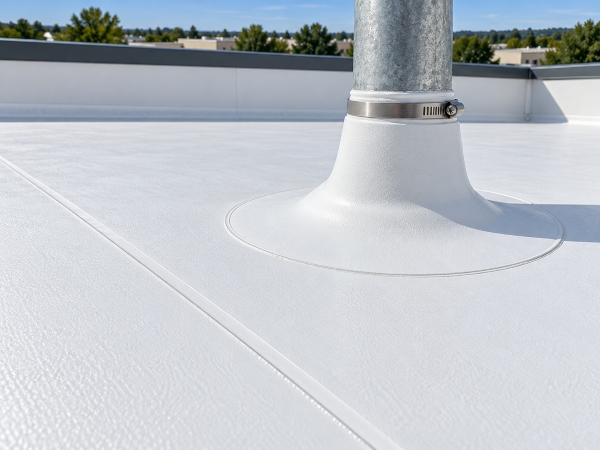
TPO is a common single-ply membrane on commercial flat and low-slope roofs. When a TPO roof leaks or shows visible damage, the repair should address the actual defect and the surrounding roof condition rather than cover the symptom with a generic sealant. On a Troy commercial building, that may mean a seam repair, flashing work, a compatible membrane patch, drainage correction, or a broader scope if moisture extends beyond the visible defect.
Incore Restoration Group works on single-ply roofing systems, including TPO, EPDM and PVC, for commercial buildings in Southeast Michigan. This guide explains how TPO roofs typically fail, how the repairs are done, and when repair stops making sense. For a TPO roof problem on a Troy property, call 866-685-0009.
Common TPO Roof Problems and How They Are Repaired
TPO is a thermoplastic membrane, and field seams are commonly joined with hot-air welding. Repair methods still depend on membrane condition, contamination, prior repairs, attachment, moisture, and the detail being repaired. The table below summarizes common conditions and the type of evaluation each one may require.
| Problem | Common cause | Typical repair |
|---|---|---|
| Open or separated seam | Original weld condition, movement, contamination, or later deterioration | Clean and evaluate the seam, then use a compatible welded repair where the membrane remains suitable |
| Puncture or tear | Foot traffic, dropped tools, debris, service work, or another localized impact | Use a compatible TPO patch sized and welded according to the selected repair method and membrane condition |
| Failed flashing or termination | Movement, deterioration, loose attachment, aged sealant, or failed detailing at walls and curbs | Repair or replace the affected flashing or termination using compatible materials and details |
| Leaks at pipes and rooftop units | Deteriorated flashing components, loose attachment, sealant failure, or movement at the penetration | Repair or replace the penetration detail with a compatible system-specific method |
| Ponding and surface damage | Drainage restriction, low areas, insulation or substrate changes, or other conditions affecting water flow | Restore drainage where possible, repair membrane damage, and evaluate whether slope or substrate conditions need correction |
| Wet insulation below the membrane | Moisture that entered through a defect or another source and spread within the roof assembly | Determine the extent of moisture and whether affected insulation or other components need removal or replacement before the repair is closed |
Moisture below the membrane can change the repair scope. A surface patch may stop one opening but does not address wet insulation, substrate damage, or moisture that has migrated beyond the visible defect.
Why TPO Repairs Need Compatible Methods
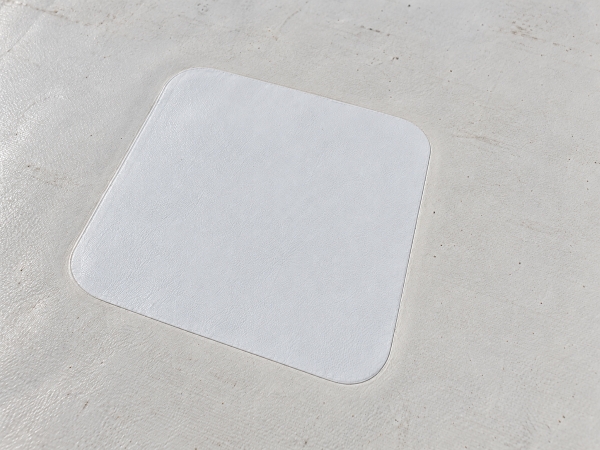
Hot-air welding requires compatible membrane surfaces prepared according to the repair method and system requirements. Weathered or contaminated membrane may need additional cleaning, testing, or preparation before a welded repair is suitable. TPO repairs generally use compatible membrane and accessories rather than unrelated roofing cement or sealants. At some details, the selected system may call for other compatible repair products or flashing components instead of a field-welded patch. Ask which method will be used at each repair location, and why it suits the membrane.
Repairs also depend on how the roof was installed and what previous work has been done. Mechanically attached and adhered systems have different attachment details, and prior coatings, patches, contaminants, or incompatible materials can change which repair methods remain suitable. A contractor who looks at the whole roof before proposing a scope will usually give you a more accurate answer than one who quotes from a photo.
What to Document Before You Call for TPO Repair
You can gather useful information without going on the roof, which is the safer choice on any commercial building.
- Photograph interior stains and drips with the date, room or bay, and the weather at the time.
- Note whether leaks appear in heavy rain, after snowmelt or during wind-driven rain.
- Find any roof drawings, installation records or past repair paperwork.
- Note any recent rooftop work, such as HVAC service or new equipment, because service activity can help identify areas worth inspecting.
- Protect interior contents only when it can be done safely and without entering an electrical or other hazardous area.
When TPO Repair Is Not Enough
Repair can fit when the defect is localized and the surrounding membrane, insulation, attachment, and substrate remain suitable. A broader restoration or replacement comparison becomes more appropriate when deterioration is widespread, moisture is extensive, repeated failures continue in multiple areas, or the existing assembly no longer supports a reliable localized repair. Our pages on roof coating in Troy and single-ply roofing in Troy provide related system options, while a roof inspection can document whether repair, coating, restoration, or replacement should be compared.
For a broader look at repairs on other flat roof types, see our page on flat roof repair in Troy.
Troy Weather and TPO Roofs
Troy commercial roofs can be exposed to freezing temperatures, snow, rain, wind, and summer heat. Seasonal conditions can affect drainage, membrane movement, access, surface preparation, and when certain repair methods can be performed. Repair products and welding procedures have system-specific requirements for surface condition, temperature, moisture, and application. When winter conditions do not support the intended permanent repair, a temporary water-control measure may be used until the specified repair can be completed under acceptable conditions.
TPO Roof Repair for Troy Commercial Buildings
Incore Restoration Group has been in business for more than 17 years and lists 24/7 emergency response. If your Troy building has a leak or visible TPO damage, call 866-685-0009, describe what you are seeing and ask how the repair would be done for your membrane. You can also see our commercial roofing services.
Frequently Asked Questions
Can a TPO roof be repaired instead of replaced?
Often, when the defect is localized and the surrounding membrane, insulation, attachment, and substrate remain suitable. Widespread deterioration, broad moisture, or repeated failures can justify comparing a larger restoration or replacement scope.
What is the best way to patch a TPO roof?
A compatible TPO patch is commonly used for localized membrane damage, but the exact preparation, dimensions, welding, and accessories depend on the membrane condition and repair method. Generic roofing cement should not replace a compatible system-specific repair.
Can TPO be repaired in winter?
Some temporary water-control measures may be possible in cold weather, but permanent repair methods must follow the selected product’s requirements for temperature, moisture, preparation, and application conditions.
How do I know whether the insulation is wet?
Soft spots, repeated leaks, or blisters can be clues but are not conclusive. Moisture evaluation and inspection are used to determine whether water extends into insulation or other roof components.