
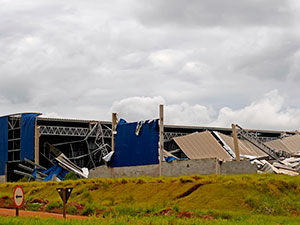
Severe weather can leave commercial buildings exposed in ways that are not always visible from the ground. In Wixom, MI, property owners depend on experienced storm damage roofers to uncover hidden issues before they interrupt daily operations. A prompt inspection after a major weather event helps prevent minor damage from turning into costly repairs.
High winds, heavy rain, hail, and flying debris can all weaken a roofing system. Even when the surface looks intact, underlying damage may continue to spread, leading to leaks, insulation problems, and structural concerns over time. Acting early protects both the building and the business inside it.
Incore Restoration Group responds to storm-related roofing concerns for commercial properties in Wixom, MI. Call 866-685-0009 to schedule a professional inspection and keep your roof secure and dependable.
What Storm Damage Roofers Look for During a Post-Storm Inspection
The first step in a post-storm inspection focuses on identifying obvious and hidden signs of physical impact.
Wind Damage and Lifted Materials
Strong winds can loosen or remove roofing components. Storm damage roofers carefully inspect for:
- Lifted or displaced roofing membranes
- Missing shingles or panels
- Loose flashing around edges and penetrations
- Detached rooftop equipment or coverings
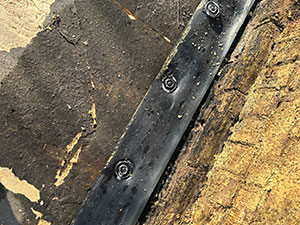
Wind uplift can weaken seams and fasteners, making the roof more vulnerable to water infiltration even after the storm has passed.
Hail and Debris Strikes
Hailstones and airborne debris can cause dents, punctures, and surface fractures. These impacts may appear minor but can compromise protective layers and accelerate deterioration over time.
Inspectors check for:
- Dents in metal panels or flashing
- Punctures in membranes
- Cracks in protective coatings
- Damage to rooftop HVAC units or skylights
Identifying impact damage early helps prevent moisture from entering the roofing system.
Investigating Hidden Water Intrusion
Water infiltration is one of the most serious risks following a storm. Storm damage roofers look beyond surface damage to detect early signs of moisture entry.
Examining Seams and Flashing
Seams and flashing are critical points where leaks often begin. High winds and heavy rain can loosen these areas, allowing water to seep beneath roofing materials.
Professionals inspect:
- Separated seams
- Cracked sealants
- Damaged edge details
- Compromised penetrations around vents and pipes
Even minor separation can lead to significant water damage over time.
Checking for Ponding Water
Flat commercial roofs are especially vulnerable to water accumulation after heavy rainfall. Standing water increases the risk of:
- Membrane deterioration
- Structural stress
- Mold and mildew growth
Storm damage roofers evaluate drainage systems to ensure water flows away from the roof effectively.
Inspecting Interior Warning Signs
A thorough inspection often includes checking the building’s interior for early leak indicators such as:
- Ceiling stains
- Damp insulation
- Musty odors
- Peeling paint or bubbling walls
Interior signs often reveal roof damage that is not yet visible outside.
Evaluating Structural and Long-Term Risks
Post-storm inspections go beyond immediate repairs. Storm damage roofers assess the overall condition of the roofing system to identify long-term risks.
Assessing Structural Stress
Severe weather can place enormous pressure on roofing structures. Inspectors look for:
- Sagging roof sections
- Shifting support components
- Stress cracks in materials
These issues may not cause immediate leaks but can weaken the roof’s integrity over time.
Reviewing Drainage Systems
Storm debris often clogs gutters and drains. Blocked drainage can lead to future water pooling and roof deterioration.
Roofers check for:
- Blocked downspouts
- Debris buildup
- Damaged drainage components
Restoring proper drainage is essential to preventing recurring problems.
Documenting Damage for Insurance Claims
Detailed documentation is a key part of the inspection process. Storm damage roofers record findings with photos and reports to support insurance claims and future maintenance planning.
This documentation helps property owners make informed decisions about repairs and restoration.
Post-Storm Inspections Protect Business Operations
Commercial roofs protect valuable assets, equipment, and inventory. Even small issues can lead to significant disruptions if left unaddressed.
Benefits of prompt inspections include:
- Preventing unexpected leaks and interior damage
- Reducing the risk of emergency repairs
- Extending the lifespan of roofing systems
- Maintaining safe conditions for employees and customers
By addressing storm damage early, property owners can avoid downtime and maintain business continuity.
Experienced Storm Damage Roofers
After severe weather, a thorough inspection requires experience, safety training, and the right tools. Professional storm damage roofers know how to spot both visible impact and hidden issues that can weaken a commercial roofing system over time. Identifying damage early helps prevent leaks, structural concerns, and costly interruptions.
Incore Restoration Group has experienced storm damage roofers serving commercial properties in Wixom, MI. Call 866-685-0009 to schedule a professional inspection and ensure your roof remains secure after severe weather.
FAQ
How soon should a roof be inspected after a storm?
It’s best to schedule an inspection as soon as it is safe to do so to prevent hidden damage from worsening.
Can storm damage affect energy efficiency?
Yes, damaged insulation and leaks can reduce energy efficiency and increase strain on HVAC systems.
Is hail damage always visible from the ground?
No, many forms of hail damage require a professional inspection to detect.
Can minor storm damage become a major issue later?
Yes, small problems can grow over time and lead to leaks, structural damage, and costly repairs.