
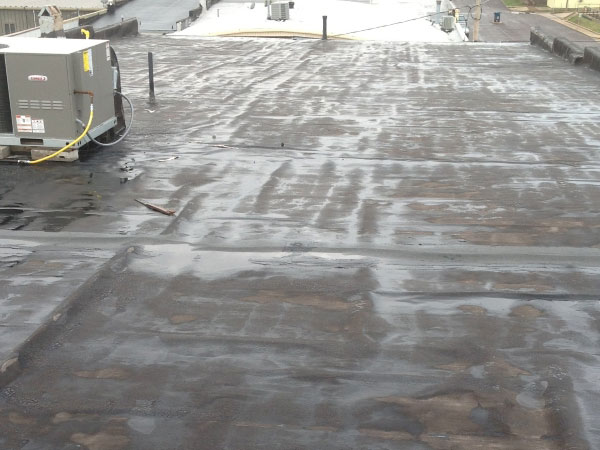
Commercial roof maintenance is easier to evaluate when it is treated as a planning decision instead of a promise that every dollar spent will produce a fixed return. For a facility in Dearborn Heights, MI, the practical comparison is between predictable inspection and maintenance work versus the uncertainty of waiting until leaks, drainage problems, flashing defects, or surface damage become urgent.
Incore Restoration Group provides commercial roofing services across Southeast Michigan. Facility managers can call (866) 685-0009 to discuss the roof’s current condition, repair history, drainage, and whether a planned maintenance approach fits the building.
Reactive Repair Costs Are Often Harder to Predict
When work begins only after a leak or visible failure appears, the final scope can be difficult to estimate in advance. The visible symptom may be smaller than the condition underneath it, especially if moisture has reached insulation, decking, flashing, or interior finishes.
Reactive work can also create operational costs that do not appear on the roofing invoice, such as moving inventory, protecting occupied areas, coordinating access, or responding to tenant complaints. Those costs are building-specific, so they should be considered as risks rather than treated as guaranteed consequences of every leak.
Incore Restoration Group’s flat roof repair guidance for Dearborn provides related context for how localized roof defects can expand when moisture, drainage, or surrounding materials are involved.
A Planned Program Makes Roof Spending Easier to Track
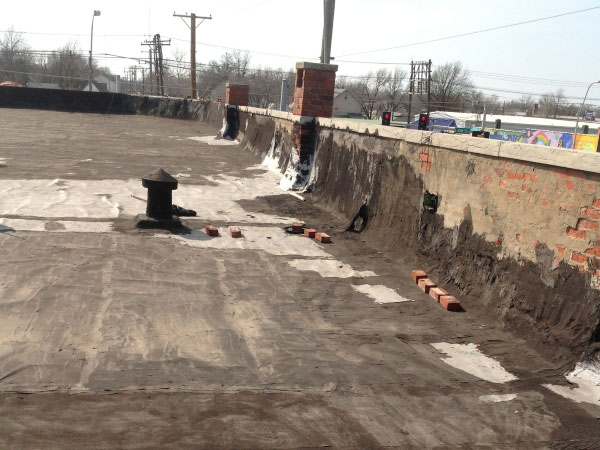
A maintenance plan can give a facility manager a regular process for reviewing roof condition, drainage, penetrations, previous repairs, and visible wear. It can also create a record of what was observed and what work was completed from one visit to the next.
The actual schedule should match the roof instead of following a universal once- or twice-a-year rule. Roof age, system type, warranty terms, rooftop traffic, exposure, drainage history, previous leaks, and severe-weather events can all affect how often inspection or maintenance is appropriate.
The Return Comes From Better Decisions, Not a Guaranteed Payback
The value of maintenance is usually found in earlier detection, clearer budgeting, and better information about when a repair, restoration, or replacement decision should be made. Catching a loose flashing detail or blocked drain early may keep the scope localized, but no maintenance program can guarantee that every roof will avoid major repairs or reach a specific service life.
A useful program should help the owner understand condition trends over time. That record can make it easier to compare repair spending with the remaining usefulness of the roof instead of making replacement decisions only after an emergency.
Maintenance Records Can Support Warranty and Facility Management
Some roof-system warranties include inspection, maintenance, documentation, or notice requirements, while others differ substantially. Property managers should review the actual warranty for the installed roof rather than assume every manufacturer or contractor requires the same maintenance schedule.
Keeping inspection reports, photos, repair records, invoices, warranty documents, and roof-system information together is useful even when a warranty does not require it. The record gives future facility staff and contractors a clearer history of recurring areas, completed repairs, and previous recommendations.
Budget Around Known Roof Conditions
A useful maintenance budget starts with what is known about the building: roof size, system type, age, drainage, access, rooftop equipment, repair history, and current condition. The plan can then separate routine inspection and maintenance from a reserve for repairs that cannot be predicted precisely.
Incore Restoration Group’s commercial roof inspection guidance shows how documented roof conditions can help identify maintenance and repair priorities before a larger project is authorized.
Know When Continued Maintenance Is No Longer the Best Use of Budget
Maintenance should not become a reason to keep spending on a roof that no longer provides a reliable base for repair. Widespread deterioration, recurring leaks in unrelated areas, extensive moisture, unstable materials, or repeated repairs with short-lived results can justify a broader replacement or restoration evaluation.
Roof age alone should not make that decision. The condition of the assembly, moisture findings, repair history, drainage, future building plans, and cost of keeping the roof serviceable are more useful than a single expected-life number.
Use Maintenance to Define the Next Roofing Decision
Compare the annual cost of inspection and routine maintenance with recent repair spending, recurring problem areas, operational disruption, and the likely timing of a larger roof project. The goal is not to prove that maintenance will always be cheaper, but to make roof costs and condition trends easier to see before the next major decision.
Incore Restoration Group’s commercial roofing service page provides broader context for inspection, repair, replacement, and other commercial roofing work that may follow from documented roof conditions.
Roof Maintenance in Dearborn Heights, MI
For a Dearborn Heights facility, planned maintenance should be judged by the quality of the information it produces, the defects it helps identify early, and the way it supports budgeting for repair or replacement. It should not be sold as a guaranteed way to eliminate emergencies or extend every roof by a fixed number of years.
Call (866) 685-0009 to discuss the roof’s current condition and whether a planned maintenance approach fits the building.
Frequently Asked Questions
Is planned roof maintenance always cheaper than reactive repairs?
No. Maintenance can make costs more predictable and help identify defects earlier, but the financial result depends on the roof’s condition, repair needs, inspection findings, and future project requirements.
How often should a commercial roof be inspected?
There is no universal schedule. Roof age, system type, warranty requirements, traffic, exposure, drainage history, previous leaks, and severe weather should guide inspection frequency.
Does roof maintenance protect the warranty?
It can help when the actual warranty requires inspection, maintenance, documentation, or timely notice, but requirements vary. Review the specific warranty rather than relying on a general rule.
When should a facility stop spending on maintenance and consider replacement?
When deterioration, moisture, recurring failures, or repair history show that the roof is no longer a reliable repair candidate, a broader restoration or replacement evaluation may be more appropriate.