
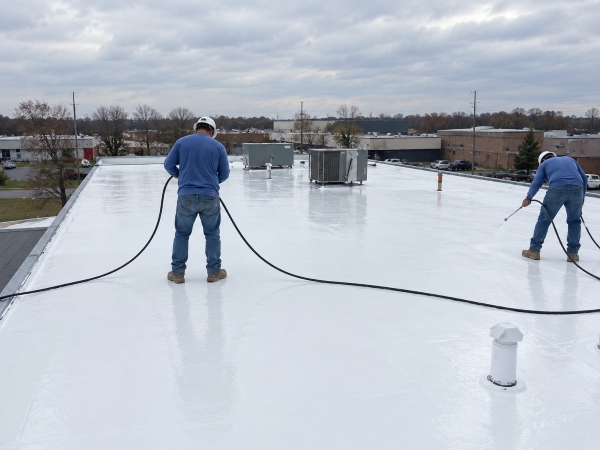
A commercial roof maintenance program in Auburn Hills, MI should cover drainage, seams, flashings, roof surfaces, equipment penetrations and a record of findings. Seasonal visits can identify developing defects before they cause additional damage, although some leaks and failures occur without visible warning. A useful program sets the visit schedule, separates routine upkeep from repairs requiring authorization and identifies who is responsible for follow-up.
Incore Restoration Group provides roof inspections, maintenance, repairs and coating and restoration work for commercial buildings in Auburn Hills and across Southeast Michigan, with 24/7 emergency response for urgent leaks. To discuss a maintenance plan, call 866-685-0009.
Why Maintenance Matters on Flat and Low-Slope Roofs
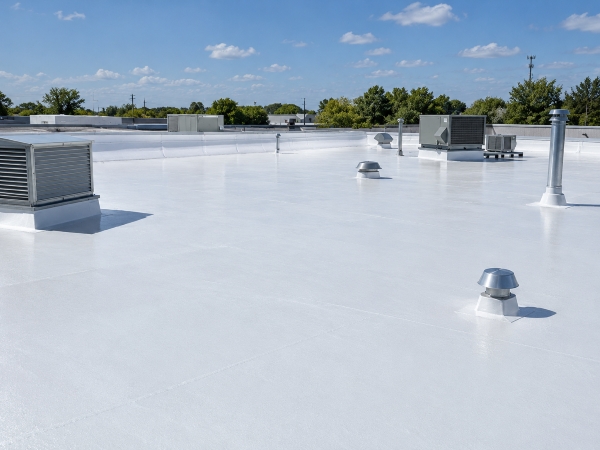
Flat and low-slope roofs depend on drainage, intact seams and sound flashings. When any of those fails, water can enter the roof assembly, wet the insulation and spread before it shows up inside. Maintenance addresses those risks early and gives the building owner a record of the roof’s condition. Our commercial roof repairs in Auburn Hills page explains how Michigan weather affects repairs and roof longevity.
Maintenance does not make an aging roof new, and it cannot reverse deterioration that has already occurred. What it does is reduce avoidable damage and help owners plan repairs, coating or replacement with accurate information.
A Seasonal Maintenance Schedule
Michigan roofs face freeze-thaw cycles, snow and ice, summer heat and storms. Many facility managers organize maintenance around the seasons, with an additional check after major weather events.
| Season | Focus | Typical tasks |
|---|---|---|
| Spring | Winter damage | Check seams, flashings and membrane surface for freeze-thaw damage; confirm drains and scuppers are clear; look for ponding and signs of moisture |
| Summer | Heat and storm readiness | Review sealants, penetrations and equipment curbs; inspect for punctures from rooftop service work; address small repairs found earlier |
| Fall | Winter preparation | Clear leaves and debris; verify drainage paths; repair open seams and flashing issues before snow and ice |
| After major storms | Event response | Inspect for wind, hail or debris damage, displaced material and new leaks; document conditions |
The schedule depends on the roof system, age, condition, surrounding trees, rooftop equipment, known drainage issues and warranty instructions if applicable. A spring and fall review is a useful planning example, not a universal requirement. A severe storm, a new leak or work by another rooftop trade can justify an additional condition check. If snow or ice blocks safe access, an interior assessment may be possible while detailed rooftop inspection is deferred.
What a Maintenance Visit Should Cover
- Roof surface condition, including blisters, splits, punctures and worn areas
- Seams and laps for lifting, separation or open edges
- Flashings at walls, curbs, vents, pipes and roof edges
- Drains, scuppers and gutters for debris and proper flow
- Ponding water and the areas where it forms
- Rooftop equipment, including how it is supported and sealed
- Interior ceilings and walls for signs of moisture
Some maintenance visits include cleaning drains or limited compatible repairs, while others only document defects. The written service agreement should say which tasks are included, which require separate approval and how urgent conditions are reported. Larger findings should be described by roof area, with photographs when available and a proposed next step. A visible surface review cannot by itself prove that concealed insulation or decking is dry.
What the Crew Should Check at Drainage and Roof Details
Drainage is more than removing visible leaves. On low-slope roofs, crews should note whether drain strainers, scuppers and overflow routes are clear, whether ponding repeatedly appears in the same location and whether staining or water tracks suggest a blocked pathway. A drain that remains slow after cleaning may need further assessment rather than another routine visit.
Detail work also depends on the roof material. A seam on a single-ply membrane, a termination at a parapet and a penetration through a coated roof can require different repair materials and methods. A maintenance report should identify the affected system before a repair scope is approved. Rooftop HVAC technicians should coordinate with the property manager so newly disturbed curbs, supports or walk pads can be checked after their work.
Keeping Records
Written records are one of the most useful parts of a program, because they show how the roof is changing and when problems began.
| Record | What to note | Why it helps |
|---|---|---|
| Inspection date and findings | Conditions by roof area, with photos | Shows how the roof changes over time |
| Repairs made | Location, method and materials used | Prevents repeated work and supports planning |
| Roof traffic | Who accessed the roof and why | Helps explain punctures and wear |
| Open items | Issues found but not yet repaired | Keeps small problems from being forgotten |
Keep the original roof-system information with these records if it is available: installation date, roof areas, prior repairs, coating work and applicable maintenance instructions. Repeated photographs taken from comparable locations may help identify changes in seams and standing-water patterns. A record should distinguish completed work from a recommendation that is still awaiting approval so outstanding defects do not disappear from the maintenance history.
Who Is Responsible for What
Clear responsibility matters. Building staff and tenants can report interior stains, new dripping, debris visible from safe locations and the timing of roof-equipment service. A facilities contact should manage roof access, keep records and arrange qualified crews for rooftop inspection, drain work and repairs. Working at height, around skylights or on wet, snow-covered or damaged roof areas creates serious hazards. HVAC or other trades working on the roof should report any disturbed flashing, puncture or displaced protection promptly so the roofing contractor can evaluate it.
When Maintenance Is No Longer Enough
If inspections show repeated leaks, widespread seam failure, wet insulation or a membrane that is deteriorating across most of the roof, maintenance alone will not solve the problem. Depending on what is found, the next step may be a larger repair, a restoration with a compatible coating or replacement of part or all of the roof. Our commercial roof coatings page explains when coating fits, and the flat roofing contractors page in Auburn Hills describes how Incore responds to flat roof leaks and problems. For an overview of commercial services, see the commercial roofing page.
Agree on the Visit Scope and Follow-Up
A practical maintenance agreement identifies which roof sections are covered, the visit frequency, access arrangements, debris removal responsibilities, how defects are categorized and the form of the report. It should also distinguish routine tasks from separate repair proposals. The property manager can then prioritize active water entry and loose materials before cosmetic wear, with repairs specified for the particular membrane or coating system.
After each visit, confirm which items were completed, which need specialist assessment and who will decide on additional work. For repeated leakage, records should preserve the locations and dates of water entry; the next investigation may need moisture testing or targeted opening of the assembly rather than assuming that another surface patch will solve it.
Getting a Maintenance Plan Started
The first step is a baseline inspection that records the roof’s condition and any issues that need attention. From there, a schedule and a short list of priorities can be set. To arrange an inspection for your Auburn Hills building, call Incore Restoration Group at 866-685-0009.
Frequently Asked Questions
How often should a commercial roof be inspected?
Many programs schedule inspections in spring and fall, with an extra check after major storms. The right frequency depends on the roof’s age, type, condition and use, so a contractor can recommend a schedule after an initial inspection.
What does roof maintenance include?
A visit may include condition checks, debris and drainage work, documented findings and limited repairs if the agreement includes them. More extensive repairs should have their own approved scope.
Can building staff do roof maintenance themselves?
Staff can help by reporting leaks and controlling roof access, but walking a roof carries fall risks. Inspections and repairs are best handled by trained crews with proper safety equipment.
Does maintenance prevent the need for replacement?
It can reduce avoidable damage and help a roof reach its expected service life, but it cannot stop normal aging. Records from regular maintenance help you plan for replacement or restoration at the right time.