
Water damage is often treated as a surface-level problem such as wet drywall, stained ceilings, or damp flooring. In reality, moisture affects the core structural materials of a building long before visible signs appear. Understanding how water interacts with different materials is essential to proper water damage repair, especially in climates like Southfield, MI, where seasonal temperature changes can intensify moisture-related deterioration.
When you have water damage, you need an experienced contractor, like Incore Restoration Group, to ensure the water damage repair begins with identifying how moisture has compromised the structure itself rather than focusing only on what can be seen. Call 866-685-0009 today to speak with an expert.

Structural Materials Matter in Water Damage Repair
Every building relies on multiple materials working together, including wood framing, steel components, insulation, drywall, concrete, and fasteners. When water infiltrates these materials, it can weaken structural integrity, reduce load-bearing capacity, and create long-term safety concerns.
Effective water damage repair focuses on how materials respond to moisture; not just how quickly visible areas can be dried.
How Water Affects Common Structural Materials
Wood Framing and Substrates
Wood readily absorbs moisture. When exposed to water, it can swell, warp, and lose dimensional stability. Prolonged moisture exposure leads to rot and fungal growth, reducing strength even before visible decay occurs. In residential properties, framing behind walls and beneath flooring is often the most vulnerable. In commercial buildings, roof decks and wall assemblies face similar risks after roof leaks or plumbing failures.
Drywall and Gypsum-Based Materials
Drywall absorbs water rapidly. Once saturated, it loses rigidity and becomes structurally unreliable. The paper facing also creates conditions that promote mold growth. In most cases, drying alone does not restore drywall integrity, making removal and replacement necessary when exposure is prolonged.
Insulation Systems
Insulation plays a critical role in energy performance and moisture control. When insulation becomes wet, fiberglass loses insulating value and traps moisture, rigid boards can delaminate or allow hidden moisture migration, and spray foam may conceal moisture beneath the surface. Leaving compromised insulation in place often leads to persistent moisture issues and higher energy costs.
Steel and Metal Components
Steel framing, fasteners, and metal decking react differently to moisture but are not immune to damage. Corrosion weakens connections, rust expansion stresses surrounding materials, and trapped moisture accelerates deterioration. In commercial structures, metal corrosion frequently goes unnoticed until repairs become extensive.
Concrete and Masonry
Concrete may appear unaffected by water exposure, but moisture penetrates through pores and microcracks. Over time, freeze-thaw cycles increase stress within the material and prolonged saturation can damage embedded reinforcement. Water damage repair for concrete structures often focuses on drying, sealing, and preventing future intrusion rather than cosmetic repairs.
Why Drying Alone Is Not Enough
A common mistake in water damage repair is assuming that drying solves structural concerns. While drying is essential, it does not reverse material degradation, restore lost strength, or remove compromised insulation or fasteners. Proper repair includes evaluating materials, verifying moisture levels, and selectively removing components that can no longer perform safely.
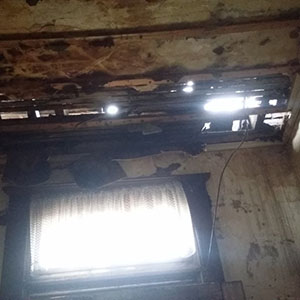
Residential and Commercial Water Damage Repair Concerns
Residential properties frequently experience moisture trapped within wall cavities, deteriorated subflooring, and saturated insulation. Commercial buildings present additional challenges such as large roof assemblies, steel framing systems, fire-rated walls, and code compliance requirements. In both cases, incomplete repairs increase the risk of recurring damage and escalating costs.
Long-Term Risks of Ignoring Structural Moisture
When water-damaged materials are not properly addressed, the building becomes more vulnerable to structural failure, mold growth, and ongoing moisture intrusion. Repair costs increase over time, and property value may decline. Early, material-focused water damage repair protects both safety and long-term investment.
Expert Water Damage Repair Services
Proper water damage repair requires more than visual inspection. Moisture meters, thermal imaging, and material testing help determine which components can be salvaged and which must be replaced. In Southfield and surrounding areas, timely evaluation helps prevent seasonal moisture fluctuations from turning minor water intrusion into major structural repairs.
To learn more about the impact of water damage to your structure, call 866-685-0009 and schedule your consultation with Incore Restoration Group experts.
FAQ
How quickly can structural damage occur after water exposure?
Some materials begin to weaken within 24 to 48 hours, making early assessment critical.
Can water damage affect structural materials without visible signs?
Yes. Moisture often migrates behind walls, under floors, and above ceilings where damage remains hidden.
Is replacement always required for water-damaged materials?
No. Some materials can be dried and stabilized, but others lose structural integrity and must be removed to prevent future problems.