

For commercial property owners in Plymouth, MI, indoor environmental quality plays a critical role in both occupant well-being and long-term building performance. When moisture issues go unresolved, mold growth can follow, creating risks that extend far beyond visible staining. Professional mold remediation is designed to do more than remove surface contamination—it protects the health of building occupants and preserves the structural integrity of the property. To address mold concerns promptly, contact Incore Restoration Group at 866-685-0009.
How Professional Mold Remediation Protects Your Health and Property
How Mold Affects Commercial Health and Safety
Mold spores are a natural part of the environment, but when they multiply indoors, they can become a serious concern. In commercial settings, mold can circulate through HVAC systems, spread between rooms, and affect large groups of people.
Exposure to elevated mold levels may contribute to:
- Respiratory irritation and allergic reactions
- Headaches, fatigue, and concentration issues
- Aggravation of asthma and other chronic conditions
From a business perspective, these health impacts can lead to increased absenteeism, reduced productivity, and potential liability. Mold contamination can also trigger regulatory scrutiny and compliance challenges, especially in healthcare, education, and food-related facilities.
Professional mold remediation focuses on containment, removal, and air quality control to reduce these risks and restore a safe working environment.
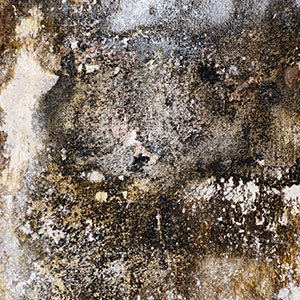
Structural Damage Caused by Uncontrolled Mold Growth
While health effects are often the most immediate concern, mold also poses a significant threat to building materials. Mold feeds on organic matter, including wood, drywall, insulation, and certain ceiling systems.
Over time, active growth can:
- Weaken framing and structural components
- Cause warping, crumbling, and surface degradation
- Compromise fire-resistant and moisture-resistant assemblies
In addition, persistent dampness associated with mold growth accelerates corrosion of metal components and deterioration of adhesives and sealants. If left untreated, these issues may require extensive repairs or partial reconstruction.
Mold remediation addresses both the biological contamination and the moisture conditions that support it, helping to stabilize and preserve critical building elements.
What Professional Mold Remediation Involves
Effective mold remediation is a structured process that goes beyond cleaning visible growth. For commercial buildings, this approach ensures comprehensive control and long-term protection.
Assessment and Containment
Specialists identify affected areas, determine moisture sources, and establish containment zones to prevent cross-contamination during removal.
Air Filtration and Removal
High-efficiency filtration systems capture airborne spores, while contaminated materials are carefully removed or treated according to industry standards.
Moisture Control and Drying
Drying and dehumidification are essential to eliminate the conditions that allow mold to return.
Verification and Restoration
Post-remediation verification confirms that contamination levels are reduced and that building materials are safe for continued use or reconstruction.
This methodical process protects both occupants and assets while minimizing operational disruption.
Long-Term Benefits for Commercial Property Owners
Investing in professional mold remediation offers measurable advantages for commercial facilities:
Improved Indoor Air Quality: Healthier environments support employee comfort and performance.
Asset Protection: Early intervention prevents progressive material deterioration.
Risk Management: Proper remediation reduces legal, regulatory, and insurance-related exposure.
Operational Continuity: Addressing mold promptly helps avoid extended closures and costly downtime.
By treating mold as a structural and environmental issue—not just a cosmetic one—property owners can better safeguard the value and usability of their buildings.
Mold Remediation Experts!
In Plymouth, MI, maintaining a healthy commercial environment requires attention to both visible and hidden threats. Professional mold remediation plays a vital role in protecting occupants, preserving materials, and reducing long-term risk. If your property shows signs of mold or moisture intrusion, contact Incore Restoration Group at 866-685-0009 for expert support.
FAQ
Can mold spread beyond the area where it is first discovered?
Yes. Airborne spores can travel through ventilation systems and open spaces, leading to contamination in multiple areas.
Is surface cleaning enough to remove mold in commercial buildings?
No. Surface cleaning does not address hidden growth or moisture conditions that allow mold to return.
How does mold remediation improve indoor air quality?
It removes active growth and airborne spores, reducing contaminants that affect breathing and comfort.
What materials are most vulnerable to mold damage?
Drywall, insulation, wood, ceiling tiles, and other porous materials are especially susceptible.