
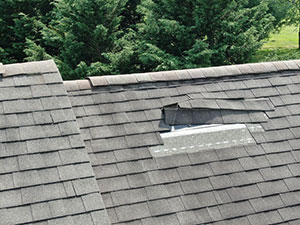
Property damage can happen suddenly, but the consequences often unfold over time. For commercial building owners in Westland, MI, delays in addressing damage can turn manageable issues into costly, long-term problems. While the term home damage restoration is often associated with residential properties, the same principles apply to owner-occupied commercial buildings, mixed-use properties, and small facilities. Understanding the hidden dangers of postponing restoration helps decision-makers protect assets, occupants, and business continuity. If your property has been affected, contacting Incore Restoration Group at (866) 685-0009 is a smart first step toward preventing escalation.
The Hidden Dangers of Delaying Home Damage Restoration
Structural Deterioration
One of the most overlooked risks of delaying home damage restoration is accelerated structural decline. Water intrusion, fire residue, or storm damage may appear minor on the surface, but unseen moisture and contaminants can compromise core building materials.
Water-soaked drywall, insulation, and wood framing lose strength quickly. Over time, this can lead to sagging ceilings, weakened walls, and compromised load-bearing components. For commercial property owners, these issues do not just affect the building, they can create safety concerns, disrupt operations, and expose owners to liability.
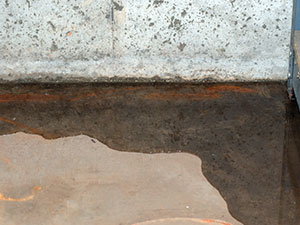
Prompt restoration helps stabilize affected areas before damage spreads. Waiting weeks or months often means repairs become more invasive and expensive than they would have been with early intervention.
Moisture Leads to Mold and Air Quality Issues
Moisture is one of the most destructive forces in any building. When restoration is delayed, trapped moisture creates ideal conditions for mold growth. Mold does not need much time to develop, and once it spreads, remediation becomes more complex.
For commercial building owners, poor indoor air quality caused by mold spores can impact employees, tenants, and visitors. This may result in health complaints, reduced productivity, or even temporary closures. From a business standpoint, mold-related issues can also lead to compliance concerns and reputational damage.
Effective home damage restoration focuses on thorough drying, dehumidification, and material assessment. Acting quickly reduces the chance that moisture-related problems become a persistent and costly challenge.
Fire and Smoke Damage Worsen Over Time
After a fire event, the visible damage is only part of the problem. Smoke residue, soot, and corrosive byproducts continue to affect surfaces long after flames are extinguished. Delaying restoration allows these residues to penetrate deeper into materials, causing permanent staining and corrosion.
Electrical systems, HVAC components, and metal fixtures are particularly vulnerable. For commercial properties, this can mean unexpected system failures or safety hazards down the line. Early home damage restoration addresses these risks by neutralizing residues and stabilizing affected systems before irreversible damage occurs.
Financial and Operational Risks Increase with Delay
Postponing restoration often leads to higher overall costs. Secondary damage, extended downtime, and more extensive repairs quickly add up. In commercial environments, this may also translate to lost revenue, tenant dissatisfaction, or operational disruptions.
Additionally, insurance claims can become more complicated when damage worsens due to inaction. Documentation is easier and clearer when restoration begins promptly, helping property owners maintain better control over the recovery process.
From a long-term perspective, timely home damage restoration preserves property value and extends the life of building systems, making it a financially responsible decision.
A Coordinated Restoration Approach Matters
Damage restoration is rarely a single-step process. It often involves assessment, mitigation, cleanup, and rebuilding. Coordinating these phases efficiently reduces downtime and ensures that no underlying issues are overlooked.
Incore Restoration Group works with commercial building owners to address damage systematically, helping stabilize properties and prevent hidden problems from surfacing later. While the focus should remain on informed decision-making rather than promotion, having experienced professionals involved early can make the restoration process more predictable and manageable.
Home Damage Restoration Experts
For commercial building owners in Westland, MI, the real danger often lies not in the initial damage, but in waiting too long to respond. Structural deterioration, mold growth, air quality issues, and rising costs are all consequences of delayed home damage restoration. Acting quickly helps protect your property, occupants, and bottom line. If your building has suffered damage, contacting Incore Restoration Group at (866) 685-0009 can help you take timely, informed action before small issues become major setbacks.
FAQ
Why is immediate restoration important after property damage?
Early restoration prevents secondary damage, reduces repair costs, and limits safety and health risks.
Can minor damage really cause major problems if ignored?
Yes, even small issues like moisture intrusion can lead to structural damage or mold if left untreated.
Does delayed restoration affect indoor air quality?
Absolutely. Moisture and contaminants can quickly impact air quality, especially in enclosed commercial spaces.
Is restoration only about fixing visible damage?
No, effective restoration also addresses hidden issues such as moisture, residue, and weakened materials.