
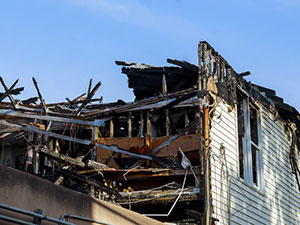
For commercial property owners in Southfield, MI, the impact of a fire does not stop once the flames are extinguished. The next step is understanding what can be recovered inside the building. Fire damage restoration goes beyond repairing walls and roofing. It also involves evaluating, cleaning, and restoring business contents to support a safe and effective recovery.
Reach out to Incore Restoration Group to discuss fire damage restoration and recovery services for your commercial property in Southfield, MI. Call us at (866) 685-0009.
Fire Damage Restoration: What Can Be Saved?
Fire impacts materials in multiple ways, and not all damage is visible at first glance. Heat, smoke, and water used during suppression each contribute to deterioration.
Heat Exposure
High temperatures can warp plastics, weaken metals, and compromise electronics even if they appear intact. Prolonged heat may also alter the chemical structure of some materials, reducing their durability.
Smoke and Soot Residue
Soot particles are acidic and cling to surfaces, embedding into fabrics, paper, and porous materials. If not properly removed, they continue to corrode finishes and create persistent odors.
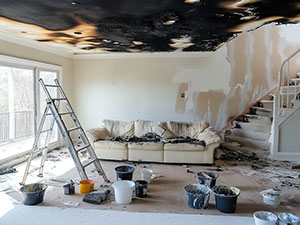
Water and Chemical Damage
Firefighting efforts often introduce large volumes of water and extinguishing agents, which can saturate furnishings, equipment, and inventory. This moisture encourages corrosion, staining, and microbial growth.
Effective Fire Damage Restoration focuses on addressing all three factors to prevent progressive content loss.
Evaluating What Can Be Saved
Professional restoration teams follow a structured evaluation process to determine which items are restorable.
Material Composition Matters
Hard, non-porous items such as metals, glass, and some plastics are often good candidates for restoration. Porous materials like textiles, paper, and untreated wood require more detailed assessment due to absorption of smoke and moisture.
Extent and Duration of Exposure
Brief exposure to smoke may result in superficial contamination, while prolonged heat or heavy soot accumulation can cause irreversible damage.
Functional and Safety Requirements
In commercial settings, equipment and furnishings must meet operational and regulatory standards. Items that cannot be safely returned to service may require replacement, even if cosmetic restoration is possible.
This evaluation helps owners make informed decisions that balance cost, performance, and compliance.
The Content Restoration Process
Restoring fire-damaged contents is a specialized component of Fire Damage Restoration and typically includes several technical stages.
Inventory and Documentation
All affected items are cataloged, photographed, and assessed. This documentation supports insurance claims and guides the restoration plan.
Specialized Cleaning Techniques
Different materials require different methods. These may include dry sponging, ultrasonic cleaning, thermal fogging, and controlled washing systems designed to remove soot without damaging surfaces.
Deodorization and Neutralization
Persistent smoke odors are addressed using advanced deodorization methods that neutralize odor-causing particles rather than masking them.
Drying and Stabilization
Moisture introduced during fire suppression is carefully removed to prevent corrosion, swelling, and microbial growth.
Final Quality Review
Restored items are inspected to confirm cleanliness, functionality, and suitability for re-use.
This systematic approach maximizes the percentage of contents that can be safely returned to service.
Professional Fire Restoration Is Essential
Attempting to clean fire-damaged items without proper training or equipment often leads to permanent staining, surface damage, or lingering odors. For commercial property owners, professional Fire Damage Restoration offers several advantages:
Preservation of Asset Value: Restored equipment and furnishings reduce replacement costs.
Business Continuity: Faster content recovery supports quicker operational recovery.
Health and Safety Protection: Proper decontamination improves indoor air quality and reduces exposure risks.
Accurate Loss Assessment: Detailed documentation helps clarify what can be restored versus replaced.
Incore Restoration Group applies industry-recognized methods to ensure that restored contents meet practical and safety expectations.
Fire Damage Restoration Professionals
For commercial facilities in Southfield, MI, recovery after a fire involves more than structural repairs. It also includes preserving the assets that support daily operations. Fire damage restoration that focuses on content recovery can reduce losses, shorten downtime, and help businesses return to normal operations more efficiently.
Reach out to Incore Restoration Group to begin a thorough fire damage evaluation and content recovery process for your property in Southfield, MI. Call (866) 685-0009.
FAQ
Can electronics be restored after fire damage?
In many cases, yes. Specialized cleaning and drying methods can remove soot and moisture, though severe heat exposure may limit recoverability.
Are documents and records salvageable after a fire?
Depending on damage severity, techniques such as drying, deodorization, and controlled cleaning can often preserve important paper materials.
How is smoke odor removed from furnishings and equipment?
Professional deodorization methods neutralize odor particles at a molecular level rather than simply covering the smell.
Is it more cost-effective to restore or replace fire-damaged contents?
Restoration is often significantly less expensive than full replacement, especially for specialized or high-value items.