
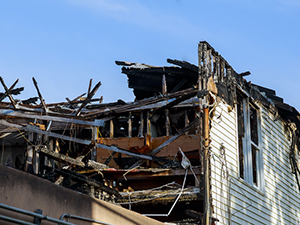
For commercial property owners in Brighton, MI, experiencing a fire can be one of the most devastating events a business faces. Beyond the visible destruction, smoke, soot, and water from firefighting efforts can cause widespread secondary damage. Understanding the full fire damage restoration process helps building owners respond quickly and minimize downtime. If your property in Brighton MI has been affected by fire, contact Incore Restoration Group on 866-685-0009 for professional guidance and immediate support.
Fire Damage Restoration Process
Fire damage restoration is not a single-step cleanup, it is a structured, multi-phase process designed to stabilize, remediate, and rebuild commercial spaces safely and efficiently.
Emergency Response and Damage Assessment
The restoration process begins immediately after the fire is extinguished and authorities declare the building safe to enter.
Securing the Property
The first priority is preventing further damage. Restoration professionals board up broken windows, secure entry points, and install temporary tarps if the roof has been compromised. This protects the building from weather exposure, vandalism, and theft.
Comprehensive Damage Evaluation
Fire impacts more than what is visible. Specialists assess structural integrity, smoke penetration, soot distribution, and water saturation from suppression efforts. Thermal imaging and moisture detection tools help identify hidden damage within walls and ceilings.
A detailed assessment guides the development of a customized restoration plan and supports insurance documentation.
Water Removal and Drying
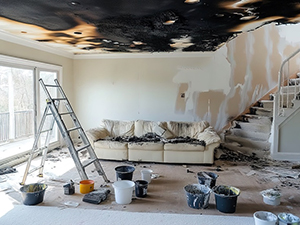
Many commercial property owners are surprised to learn that water damage is often extensive after a fire. Sprinkler systems and firefighting hoses can leave large areas saturated.
Water Extraction
Industrial pumps and vacuums remove standing water quickly to prevent additional structural weakening and mold growth. Prompt extraction reduces long-term repair costs.
Structural Drying
High-powered air movers and dehumidifiers are used to dry affected materials thoroughly. Moisture trapped behind walls or under flooring can lead to hidden damage if not addressed properly.
Drying is a critical step in fire damage restoration because lingering moisture can delay reconstruction and create new complications.
Smoke and Soot Removal
Smoke damage can spread far beyond the area where the fire originated. Soot particles are acidic and can corrode surfaces if not removed promptly.
Surface Cleaning
Specialized cleaning agents are used to remove soot from walls, ceilings, and equipment. Different materials require different techniques, what works for metal may not be safe for fabric or drywall.
Air Quality Restoration
Smoke odors can linger long after visible debris is cleared. Restoration teams use air scrubbers, HEPA filtration systems, and thermal fogging to eliminate odor particles and improve indoor air quality.
For commercial spaces, restoring clean air is essential before reopening operations.
Structural Repairs and Reconstruction
Once cleanup and drying are complete, the reconstruction phase begins.
Structural Repairs
Damaged framing, drywall, flooring, and roofing components are repaired or replaced. Engineers may be involved to confirm that load-bearing structures remain sound.
Electrical and Mechanical Systems
Fires often damage wiring, HVAC systems, and plumbing. Certified technicians inspect and repair these systems to ensure safety and compliance with local codes.
Interior Finishing
The final stage includes repainting, flooring installation, ceiling replacement, and restoring interior finishes. The goal is to return the property to its pre-loss condition, or better.
Efficient coordination during this phase minimizes downtime and allows businesses to resume operations as soon as possible.
The Importance of Professional Fire Damage Restoration
Fire damage restoration is complex and requires specialized expertise. Attempting partial cleanup without professional equipment can leave behind hidden hazards, including structural instability or persistent smoke contamination.
For commercial property owners, professional restoration offers several advantages:
- Faster recovery timelines
- Thorough documentation for insurance claims
- Reduced risk of secondary damage
- Safe handling of hazardous materials
- Compliance with building codes and safety standards
Time is a critical factor. Delays can increase repair costs and extend operational disruptions.
Professional Fire Damage Restoration
A structured restoration process ensures that no detail is overlooked. From emergency stabilization to final reconstruction, each phase builds upon the previous one to restore safety, functionality, and value.
Understanding the steps involved empowers building owners to make informed decisions during a stressful situation. Working with experienced professionals helps streamline communication with insurance providers and ensures that repairs meet industry standards.
A fire can interrupt operations and create lasting structural challenges, but a comprehensive Fire Damage Restoration process helps commercial property owners move forward with confidence. If your building in Brighton, MI has suffered fire damage, contact Incore Restoration Group at 866-685-0009 to begin the recovery process and restore your property efficiently and safely.
FAQ
How soon should fire damage restoration begin?
Restoration should begin as soon as the property is declared safe to prevent further structural and moisture-related damage.
Does fire damage include water damage from firefighting efforts?
Yes. Water from suppression systems often requires professional extraction and drying.
Can smoke odor be completely removed from a commercial building?
With professional equipment and techniques, smoke odors can be effectively eliminated.
Will restoration return the building to its original condition?
In most cases, comprehensive restoration can return the property to its pre-fire condition or better.